

Where would you go if the room you normally use became unsuitable? The answer needs more than the name of a nearby building. You need to know whether the place protects against the particular hazard, whether you can reach and enter it safely and whether it can support the people with you.
Shelter planning begins before an emergency, with a short assessment of home, work and possible alternative locations. You are not trying to certify a building yourself. You are identifying practical questions, responsible contacts and options that can be checked against current instructions when needed.
A basement, upper floor, public hall or relative's house may be useful in one situation and inappropriate in another. Follow official advice for the actual incident. If a building presents an immediate danger, such as fire or structural damage, use the appropriate emergency action rather than treating a shelter plan as permission to stay.
Start with the hazards relevant to the location
Consider the risks identified by local official information: flooding, wildfire, severe weather, temperature extremes or a particular industrial or radiation incident. You do not need to invent a dramatic scenario to find useful questions. Ordinary power and water interruptions can also make a familiar building unsuitable for someone with essential needs.
Separate physical protection from accommodation. A place that offers short-term protection from an outdoor hazard may not provide suitable sleeping, care or hygiene arrangements for a longer stay. Your plan may need both an immediate shelter option and a later destination.
Keep the purpose beside the option. A note saying 'possible place to stay during a local power cut, confirm it is unaffected' is more useful than 'safe house'. Clear conditions stop a location being treated as universally suitable.
Check the home room by room
Look at access, exits, windows, external walls, utilities and the normal use of each space. Consider which room is easiest for the household to occupy safely during an ordinary outage. Keep clear routes and avoid storing supplies where they obstruct movement.
Then apply the hazard. A low-level room may be inappropriate for flooding. Advice during an outdoor release may favour a different indoor position and ventilation arrangement. Do not choose the same place for every incident simply because it is comfortable or familiar.
If you are unsure about the building's condition or systems, ask the appropriate manager, landlord or qualified professional. A personal checklist cannot assess structural integrity, fire protection or an installation fault. Identify the question and who can answer it.
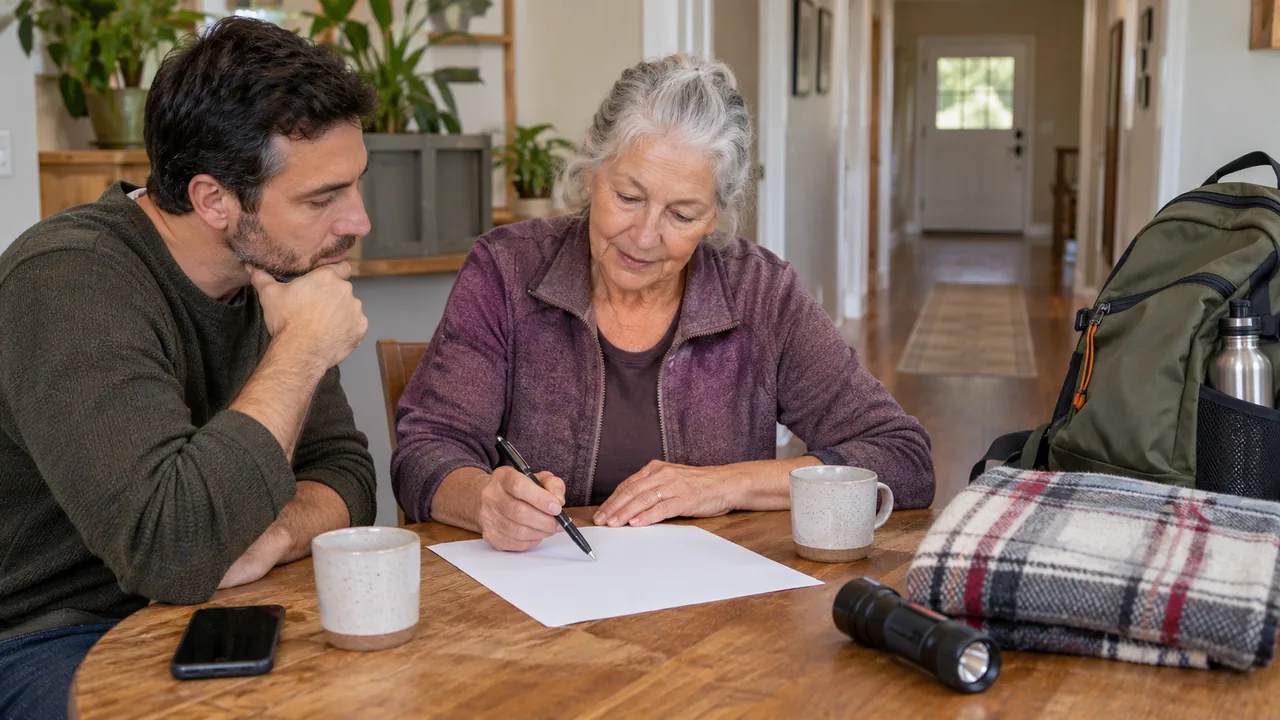
Know the building's emergency procedures
If you live or work in a shared or managed building, obtain the relevant procedures and understand how instructions are communicated. Ask about anything unclear before an incident. A plan for a detached home should not be applied automatically to a block of flats or workplace.
Consider powered access, lifts, emergency lighting and who is responsible for support arrangements. A place may be easy to enter in normal conditions and much harder when electricity fails. Discuss needs with the relevant people rather than discovering the dependency during an outage.
Keep your own supplies consistent with building safety. Do not wedge doors, block vents, obstruct escape routes or alter systems to make a preferred shelter arrangement fit. A useful personal plan works with the building's proper procedures.
Ask whether everyone can get there
Walk through the route in ordinary safe conditions with the people involved where practical. Consider stairs, thresholds, doors, walking distance and the need to help a child or carry equipment. A location being close on a map does not make it accessible.
Plan for the usual helper being away. Can another responsible person assist appropriately, and is the equipment available? Do not rely on an untrained person to improvise a difficult transfer. Obtain appropriate advice for mobility and care requirements.
Record the limitation if an option cannot be used independently. That does not make it useless, but it changes what support the plan needs. A truthful option with a clear condition is more helpful than a reassuring address that cannot be reached.
Check whether the place will actually be open
A library, school or community building may be useful during a particular organised response, but it is not automatically an operating shelter. Opening, staffing, facilities and official designation matter. Use current information from the responsible authority during an incident.
Do not travel to a venue solely because an old post says it was used previously. Confirm the address, hours and purpose. A cooling space, reception point and overnight accommodation may provide different services.
Keep an alternative if access cannot be confirmed. A plan based on one unverified public building can leave the household making another difficult journey. Where possible, discuss private hosting arrangements beforehand and keep the conditions clear.

Confirm what a host can provide
Ask a trusted friend or relative about the practical details of staying. Consider the number of people, sleeping space, bathroom access, children, pets and essential equipment. A generous offer may still need clarification to become workable.
Check whether the location is likely to share the same incident. A nearby address may have the same power cut, flood risk or travel restriction. An option outside the immediate area may offer independence, but the journey must also be suitable.
Do not assume a host can provide specialist clinical support or equipment. Discuss those needs through the appropriate care team and supplier. The destination should be approved for the actual care arrangement where necessary, rather than chosen only because it has electricity.
Include toilets, water and hygiene
For any place you may occupy beyond a brief period, consider drinking water, toilets, hand hygiene and personal care. A room with enough floor space may still be unsuitable if those needs cannot be met. Ask about actual facilities instead of relying on the building's general appearance.
Consider who needs assistance, privacy or accessible equipment. A standard public bathroom is not automatically usable for every person. Keep the individual's preferences and practical requirements central to the discussion.
If facilities are limited during an incident, use current instructions from the operator or authority. Do not improvise waste arrangements that expose people or contaminate food areas. A shelter option may need to change if basic safe care cannot continue.
Think about temperature over time
A building can be comfortable when you arrive and become unsuitable as the weather or outage continues. Consider shade, warmth, ventilation instructions and any dependence on powered heating or cooling. A room's usefulness is not fixed for every season.
People's needs differ. Babies, older adults and people with particular health conditions may need support sooner than others. Do not decide suitability only through the comfort of the healthiest adult in the group.
Agree how you will review conditions and what would trigger another action. That may involve contacting support or moving through a planned alternative. Do not wait for everyone to become distressed before checking whether the destination still works.
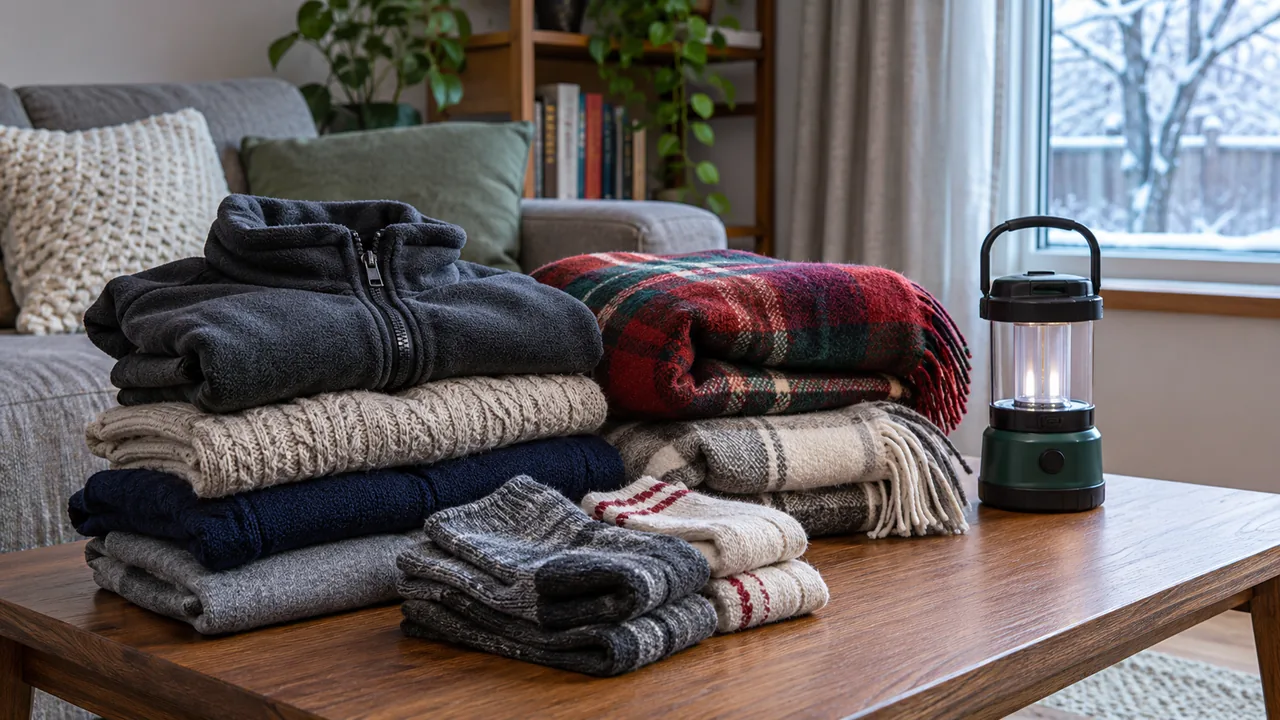
Keep health and equipment requirements explicit
List essential power, water, storage and care dependencies. Ask the responsible professionals about both immediate shelter and any move to another location. A household plan should not substitute an unapproved battery, connection or treatment arrangement.
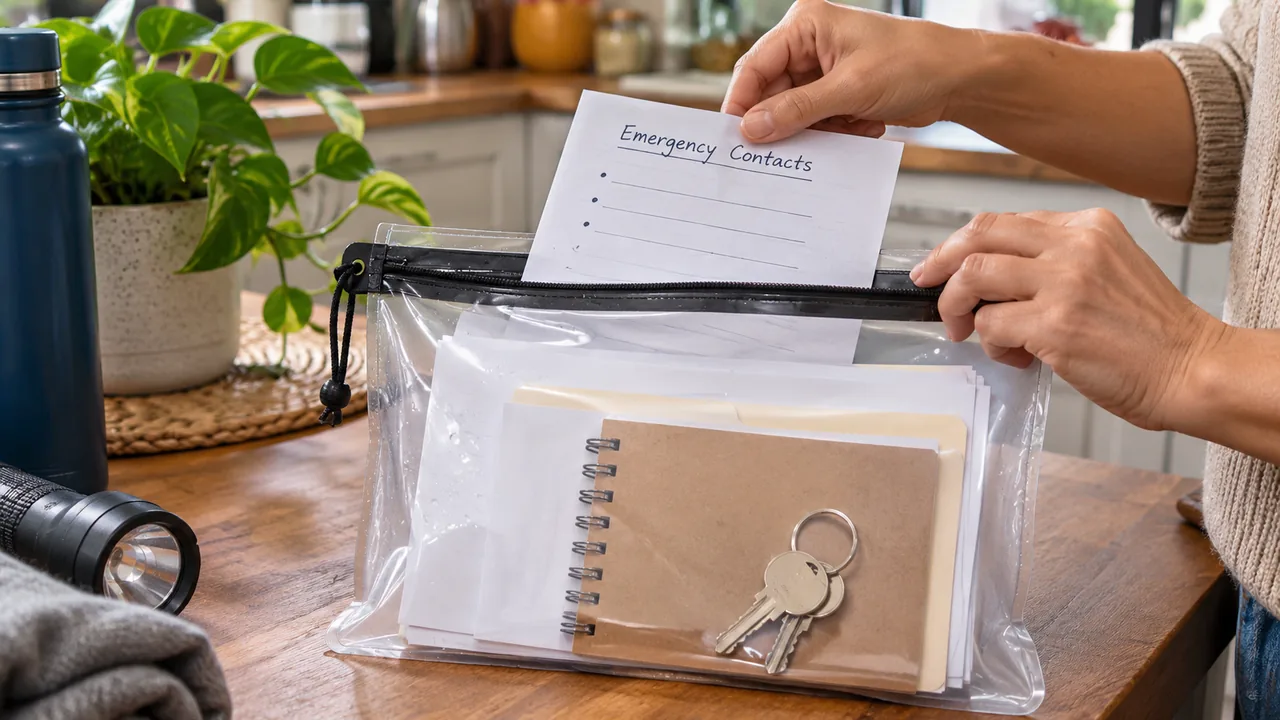
Keep a concise contact and instruction set available offline. Another responsible person should understand where it is and how to seek help. Protect private details and share only what the location operator or helper needs for the relevant role.
Consider the full journey, not just the socket at the destination. Transport, transfers, temperature and available assistance may determine whether care can continue. The medical equipment outage plan provides questions to discuss in advance.
Plan for children and pets at the location
Children may need suitable food, a manageable routine, a comfort item and appropriate sleeping arrangements. A place being available does not make every improvised baby sleep setup safe. Follow current guidance and confirm what you need to bring.
Pets need permission, secure handling and species-appropriate facilities. Ask about the actual arrangement rather than assuming an invitation to the family includes every animal. Keep leads, carriers and relevant information ready.
Think about how the household will remain together or coordinate if a facility has different arrangements for animals. Do not release pets or create an unsafe handling situation because the arrival plan was unclear. These are useful questions to resolve while there is no pressure.
Keep communication possible
Check which information routes may remain available. A charged phone, paper contacts and a battery radio can provide options, subject to network and broadcast conditions. A location depending on one router may lose several services together during a power cut.
Tell a trusted contact where you are going and when you expect to check in, when safe. Keep the address and route available without a live login. Protect details about an empty home and avoid broadcasting private movements publicly.
Use the location operator's current instructions where relevant. If a reception centre changes its arrangements, make sure the household receives the updated information. A useful shelter plan includes how you will learn that the next step has changed.
Consider immediate shelter separately from a longer stay
During an urgent outdoor hazard, reaching a suitable nearby building may take priority over travelling to the place where you would prefer to sleep. The best immediate option can be different from the best later accommodation. Follow the incident's protective instruction.
Once safely inside, assess essential needs and keep receiving updates. Do not leave simply because the building lacks a favourite comfort item. Equally, do not ignore an urgent medical or other immediate safety issue because a general message said to remain indoors.
Keep the plan flexible enough for managed relocation or evacuation if authorities later direct it. Your prepared destination and bag can then support the next phase without making the initial shelter decision unnecessarily complicated.
Example: a home near a flood-risk route
Imagine a household has a comfortable lower-level room with supplies, but the area is vulnerable to flooding. The shelter assessment identifies that the room should not be treated as the default flood option. The family checks official warnings, accessible higher options and evacuation arrangements in advance.
Their alternative relative's home is useful only if the route remains safe and the address is unaffected. They do not assume that driving there after water has risen will be possible. The plan therefore includes an earlier decision point and current official information.
The value comes from identifying the limitation before the incident. A room can be excellent for an ordinary outage and unsuitable for flooding without either statement being a contradiction. Hazard-specific conditions make the option understandable.
Example: an accessible flat during a prolonged outage
Imagine a person is comfortable in their flat, but access depends on a lift and an essential care routine depends on power. A general bag and a list of nearby buildings would not solve the main problem. The plan needs the person's care team, building arrangements and suitable transport input.
The assessment records what support is approved, which contact is used and when action is needed. A proposed destination is checked for bathroom access and equipment needs, rather than being accepted merely because it has an empty room.
This example shows why shelter planning is a practical access exercise. The useful question is not only whether walls provide protection, but whether the person can reach, occupy and leave the place safely under the relevant conditions.
Keep the shortlist small and current
Record a few realistic options, each with its purpose, conditions, contact and access limits. A short list of understood places is more useful than dozens of unverified map pins. Review it when the household, building or local circumstances change.
Check hosting agreements and useful numbers periodically. A friend may move, a building may change opening or a care requirement may alter the destination. Keep the date of the latest review visible.
Your shelter plan should make the next decision easier without pretending to certify every building or predict every incident. Suitable options, accurate information and known limits provide a practical foundation for following current official advice.
Write a short record for each possible location
Keep the record practical: the place, the situation it may help with, the contact, access needs and what must be confirmed. A relative's home might be suitable for an ordinary outage once you know it is unaffected. A public building might be an option only when the responsible authority confirms it is operating for the incident.
Include important limitations in the same record. Steps, restricted opening, pet arrangements or dependence on the same utility supply should not be buried in a separate conversation. Another responsible person needs to see why the place was selected and when it would be unsuitable.
Check the route and arrival together. A building can be accessible internally while the journey becomes hazardous, or the route can be clear while the destination cannot meet a care need. Treat the whole sequence as the option, rather than judging a place only by its distance or number of rooms.
Review the record with the person whose requirements shape it. Do they understand the access, information and support arrangements? Their experience may reveal a gap that a map or ordinary building description does not show.
Keep the shortlist small enough to maintain. Three understood possibilities with clear conditions can be more useful than a long list of unverified addresses. During an incident, use the relevant official advice and confirm the current arrangement before making a journey wherever circumstances allow.
Frequently asked questions
Is a basement always the best shelter?
No. Suitability depends on the hazard, building and current instructions. A basement can be inappropriate for flooding or another immediate building risk. Do not choose one room type for every emergency. Identify possible options beforehand and apply the actual official advice and immediate safety conditions when an incident occurs.
Can I use a public building as an emergency shelter?
Only when access and arrangements are confirmed. A public building may be closed, unstaffed or serving a different role. Use current information from the responsible authority or operator, including location, opening and facilities. Do not travel to an old advertised venue without checking that it is operating for the present incident.
What matters most for an alternative place to stay?
Check the relevant hazard, safe access, confirmed availability and the needs of the people involved. Water, toilets, temperature, essential care, children and pets may all affect suitability. A spare room or working socket alone does not establish that the destination can support the household. Keep an alternative and a contact route.
Should I choose a shelter far from home?
Distance alone does not determine suitability. A nearby option may share the same incident, while a farther destination may require an unsafe journey. Consider the affected area, official instructions, transport and personal needs. Separate immediate shelter from later accommodation, and avoid a long trip when current advice calls for prompt indoor protection nearby.
How often should I review shelter options?
Check them regularly and after changes to the household, building, care arrangements or hosting agreement. Confirm contacts and access details rather than relying on an old conversation. A useful shortlist remains small, specific and current, with the conditions for each option clearly recorded.
Sources and further reading
UK Government: household emergency preparation