

The lights go out and the questions begin immediately. Why is it dark? Will bedtime still happen? Can the television come back? A power cut with young children is easier to manage when the adults have a simple plan and the next few steps feel familiar.
Start with safety, a working battery light and a calm explanation. You do not need to predict exactly when electricity will return. Tell children what you know, what you are doing and what will happen next: finding a light, checking everyone is comfortable and choosing a suitable snack or quiet activity.
The preparation in this guide is for ordinary household disruption while the home remains safe. If there is fire, flooding, an urgent medical need or an official instruction to leave, follow the appropriate emergency action. A family routine should help you respond, not delay a necessary change of plan.
Make the first few minutes predictable
Pause activities that may be unsafe in darkness, particularly cooking, bathing or moving around stairs. Use a nearby light to gather children in a suitable place with the responsible adult. Keep the floor route clear and check whether anyone needs immediate assistance.
Give a short explanation without filling the silence with alarming possibilities. 'The electricity is off. We have a torch, and I am checking the information' may be enough. If you do not know the cause or return time, say so in an age-appropriate way.
Then name the next small action. Finding a book, choosing a snack or putting on a jumper gives the child something concrete to understand. Adults can continue checking reliable updates without making every new rumour part of the children's conversation.
Put lights where an adult can reach them easily
Keep a working torch near the places where darkness would be awkward, such as the main living area and a bedroom. Check the batteries or charging routine. A light hidden in a high cupboard may be difficult to retrieve while carrying a baby or keeping a toddler beside you.
Use battery lighting rather than open flames. Keep loose batteries, small parts and cables away from young children. A head torch may help an adult keep both hands free, but choose a comfortable setting that does not shine directly into a child's eyes.
Show older children where their appropriate light is kept and what they should do if it gets dark. Keep the responsibility limited: find an adult and use the agreed safe route. Children should not investigate electrical equipment or outdoor wires.
Create one comfortable family space
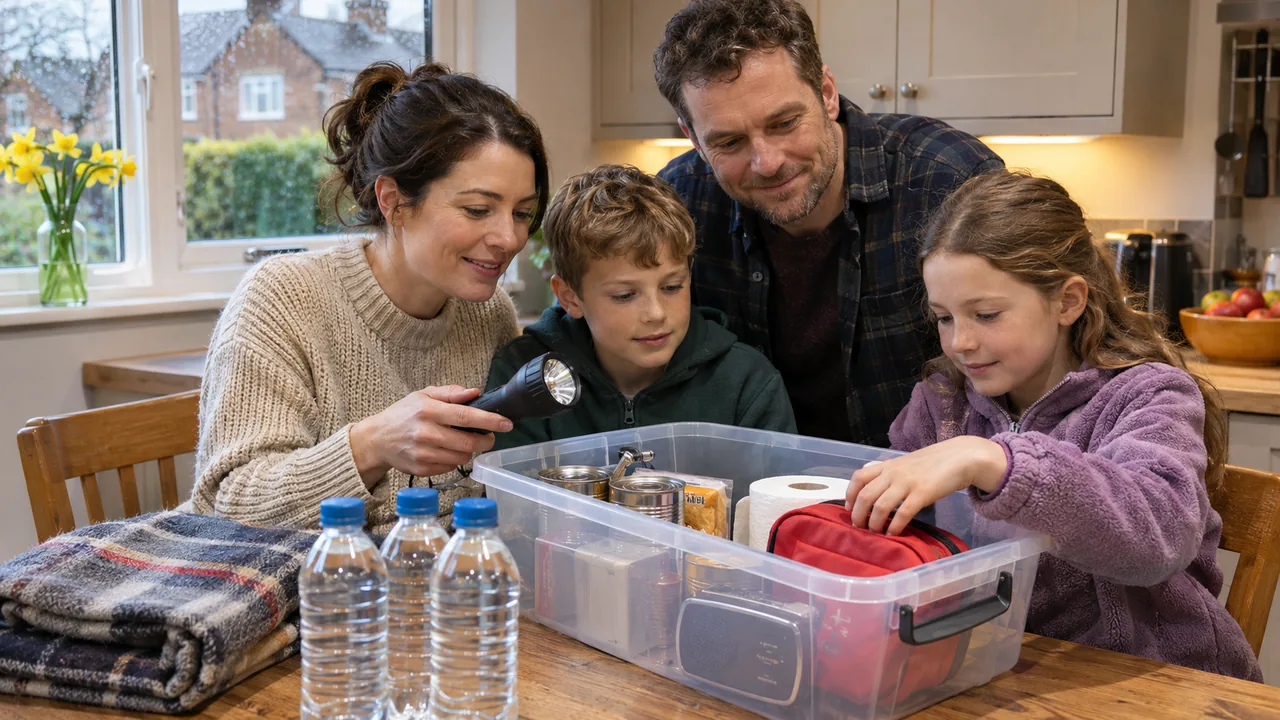
Choose a room with enough safe space, clear access and suitable temperature. Bring the supplies needed for the next little while rather than emptying every emergency box. Keep water, suitable food, necessary care items and a light accessible to the adult.
Think about the bathroom route and what happens if one child is asleep while another needs help. A small second light may solve that practical problem. Avoid placing bags and blankets across the floor where someone carrying a child could trip.
Keep familiar comfort items nearby. A favourite toy, book or blanket can help an unfamiliar evening feel more ordinary. Do not assume every child wants to treat the outage as an adventure. Some will enjoy a changed routine; others will prefer reassurance and a quieter setting.
Use a short menu of familiar activities
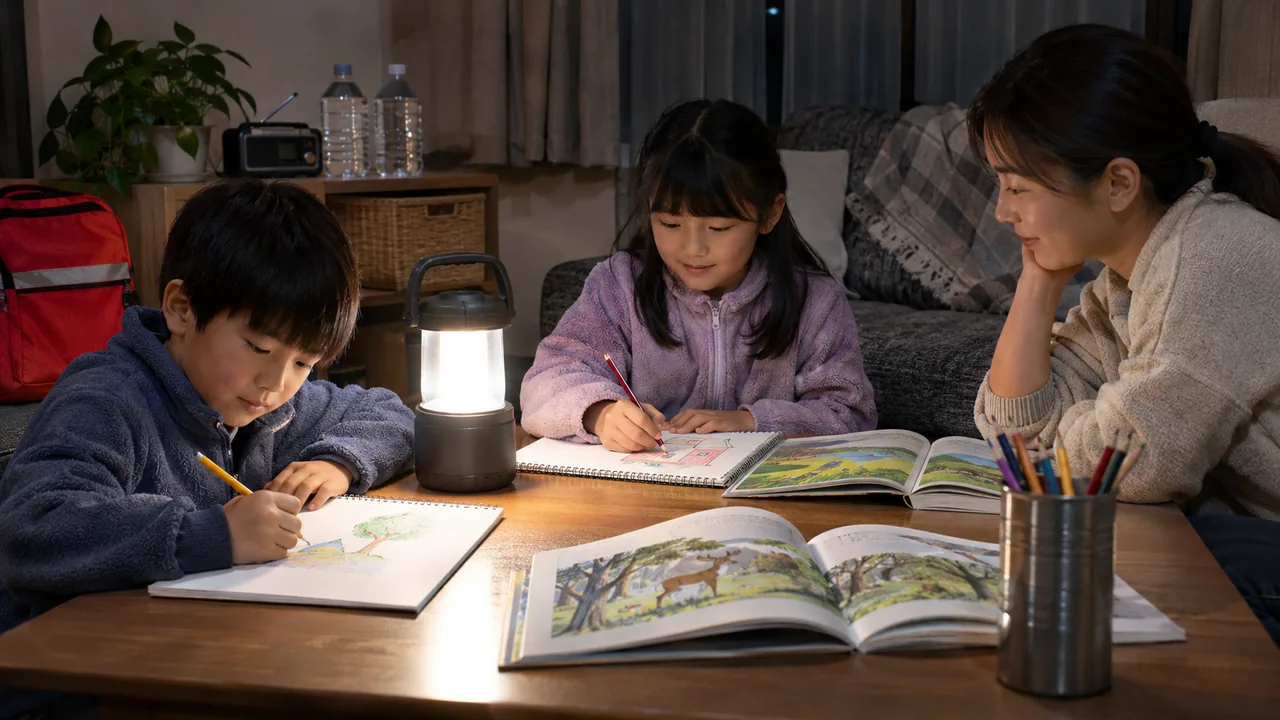
Choose activities that fit the children's ages and the available light: a story, drawing, a simple word game or familiar toys. Keep the choices small. Offering two realistic options is often easier than asking a tired child to invent something to do without the usual screen.
Avoid games that encourage running through dark rooms, hiding near exits or using candles. Set a clear boundary around kitchens, stairs and equipment. An activity should make supervision easier rather than creating extra hazards for the adult managing the household.
Keep screen use proportionate to charging and communication needs. A downloaded activity may be useful, but the phone may also be the main contact device. Have a non-digital option ready so that entertainment does not consume the only battery needed for essential messages.
Keep food simple and suitable
Plan familiar foods that can safely be eaten without cooking. Check labels, allergies, age suitability and portions. A child who usually relies on a particular texture or diet may need more specific preparation than a general emergency shopping list suggests.
Keep the eating routine recognisable. Sit together if practical, use familiar utensils and offer safe drinks. Do not make the outage the moment to introduce several unfamiliar foods because they happened to appear in a prepacked kit.
Be careful with chilled food after an interruption. Keep fridge doors closed and follow current food-safety guidance before serving anything whose storage is uncertain. The no-cook meal guide offers practical starting points that can be adapted to the household.
Plan infant feeding separately
If the family uses formula, work out how the normal safe preparation and cleaning routine would continue without electricity or tap water. Ready-to-feed products may help in appropriate circumstances, but their storage and use instructions still apply. Discuss individual needs with an appropriate health professional before an interruption where possible.
Powdered formula is not sterile, and bottled water alone does not establish a safe preparation method. Follow current NHS or public-health instructions in full. Do not dilute formula, change the mixing ratio or substitute an unsuitable feed to extend supplies.
Keep feeding equipment and the relevant instructions accessible. If another adult may take over, make sure the plan is clear to them too. If you cannot meet the baby's feeding needs safely, seek appropriate support rather than improvising from general adult-food advice.
Keep safer sleep arrangements in place
A disrupted evening does not remove the need for an appropriate baby sleep space and current safer-sleep guidance. Do not add heavy loose bedding or place a baby beside an improvised heater because the room feels cold. Follow suitable clothing and bedding advice for the actual conditions.
For older children, preserve the familiar parts of bedtime you can: a wash using safe arrangements, a story, their usual comfort item and a calm explanation of where the adult will be. A changed light source does not require the whole routine to disappear.
If the home cannot provide suitable conditions because of cold, heat or another need, use a safe planned alternative. Confirm the destination and sleeping arrangements before travelling where possible. An available sofa is not automatically a suitable sleep setup for a baby.

Give children a role without giving them the emergency
An older child might bring a book, find their jumper or help choose a suitable activity. Keep the task safe, specific and achievable. Adults remain responsible for warnings, equipment, transport and decisions about leaving.
Do not ask children to keep watch for danger, manage younger siblings beyond their ability or interpret alarming updates. A small helpful role can provide structure; a large responsibility can add pressure. Adjust the task if the child is tired, worried or not interested.
Praise the useful action in ordinary terms and move on. You do not need to stage a dramatic drill or test their bravery. Preparedness is a routine of practical care, and children can learn it through familiar habits rather than frightening scenarios.
Make a plan for one adult at home
Ask what changes if only one adult is present. Can you reach the torch while holding a baby? Can the older child stay in a safe space while you prepare food? Is the essential contact sheet available without searching several rooms?
Keep the arrangement simpler in that situation. Bring necessary items together, reduce unnecessary movement and choose activities that are easy to supervise. A plan that depends on one adult managing equipment while another handles children may fail when schedules change.
Agree who you can contact if help is needed, with realistic limits and consent. A neighbour or relative may be able to assist safely, but do not assume immediate availability. Keep the appropriate professional and emergency routes for needs that cannot wait.
Include disability, sensory needs and treatment routines
Discuss particular needs with the child where appropriate and with the relevant carers or professionals. Darkness, a changed sound environment or an unexpected routine can affect children differently. Familiar communication tools and clear explanations may be especially important.
If a child relies on powered equipment or a clinical routine, follow the care team's approved outage plan. Do not treat an ordinary power bank as a medical backup without explicit approval. Keep instructions and contacts easy for another responsible adult to find.
Record practical adjustments: a familiar quiet place, an accessible light control, necessary batteries or a suitable alternative destination. The useful plan reflects the child who lives in your home, rather than a standard description of what children usually need.

Know the school and childcare arrangements
Keep current contact details and understand the provider's emergency procedures. Know who is authorised to collect the child and what happens if the usual adult cannot travel. A household plan should coordinate with safeguarding arrangements rather than assume it overrides them.
Do not rush to collect a child solely because a forwarded message describes a wider outage. Check the provider's actual information and any official shelter or travel instructions. If communications are affected, use the arrangements established beforehand.
Explain only the relevant parts to the child. They should know the trusted adults and simple steps appropriate to their age. They do not need to memorise every adult phone number or carry the burden of deciding what the family should do.
Decide when you need another place to stay
Consider the household's needs before everyone is exhausted. A prolonged outage may affect heating, cooling, feeding or treatment. Agree a point for contacting support or moving to a confirmed suitable destination. Follow official instructions if they require a different action.
Check travel, child restraints, access, medicines, pet arrangements and sleeping conditions. A nearby relative may have the same power cut, so confirm the situation rather than assuming their home solves the problem.
Keep a manageable bag and short collection reminder ready, but do not delay urgent departure to gather belongings. The family emergency plan can bring the destination, contacts and portable essentials together in one understandable arrangement.
A simple evening example
Imagine the power fails shortly before dinner with one adult and two young children at home. The adult uses a nearby torch, stops the cooking through safe normal controls and gathers the children in the living room. The first explanation is brief and factual.
While one child chooses a book, the adult checks the provider's information and notes the outage time. Dinner becomes a familiar suitable no-cook meal, and the fridge remains closed. The family keeps the normal bedtime story, with a safe battery light and appropriate sleep arrangements.
If the room cools or an essential need changes, the adult uses the agreed contact and destination plan. The example works through a few ordinary decisions rather than relying on a promise that the power will return before bedtime. Your own plan can be equally simple and more specific to your household.
Check in after the outage
Let children ask questions when the normal routine returns. Answer what you know without adding unnecessary frightening detail. Some may want to talk, while others will prefer to move on. Keep the response calm and notice whether further support may be helpful.
Recharge equipment and replace supplies. Ask which practical change would make the next evening easier: another light near the bathroom, a more suitable food portion or a clearer contact sheet. Include age-appropriate feedback without making children responsible for fixing the plan.
A useful family power-cut plan protects routine, care and connection. You cannot control the timing of every outage, but you can make the first steps familiar and keep the next decision manageable for the adults and children involved.
Leave a short handover for the other adult
If adults share care around different work or sleep routines, write a brief handover for a prolonged outage. Include the latest verified information, what the children have eaten, any relevant care instruction and where the useful supplies are. Keep private clinical details secure and available only to the people who need them.
Record what is planned next without turning an estimate into a promise. 'Check the operator again at the next suitable interval' is different from 'the power will be back then'. Another adult should understand what remains uncertain and which condition would change the household's action.
Keep the children's routine visible too. A familiar bedtime item, suitable food portion or agreed activity may help the new adult continue calmly. They should not have to question a tired child to reconstruct the whole evening or discover that the only charging cable is now elsewhere.
If the plan includes moving to another location, note whether it has actually been confirmed and what arrangements apply to sleeping, feeding and transport. A possible address should not look like an agreed destination. This short handover can prevent duplicated calls, repeated searches and conflicting instructions while preserving the familiar care the children need.
Review it when the situation changes and remove information that no longer applies. The useful note is the current one, not a growing collection of every message received during the day.
Frequently asked questions
What should I tell a child when the lights go out?
Give a short, truthful explanation and a clear next action. Say that the electricity is off, you have a light and you are checking the information. Avoid promising a return time you do not know. Let the child ask questions and keep the focus on the practical steps already being taken to look after the household.
Should I make the power cut into an adventure?
Follow the child's response. Some children enjoy a story by torchlight; others find the change unsettling. Familiar routines and calm choices can help without requiring excitement or bravery. Avoid frightening games, dramatic predictions and activities that involve moving through dark rooms. A quiet ordinary evening is a perfectly reasonable aim.
Can I prepare powdered formula with bottled water during an outage?
Do not assume bottled water alone makes preparation safe. Powdered formula is not sterile, and NHS or public-health instructions still apply. Plan suitable alternatives and equipment in advance with appropriate advice, including ready-to-feed products where suitable. Never dilute feeds or change ratios to stretch supplies. Seek support if safe feeding cannot be maintained.
Should children have their own emergency bags?
A small age-appropriate bag can hold a comfort item and suitable personal supplies if it is manageable. Adults remain responsible for essential documents, medicines, decisions and transport. Do not add an unsafe load or make a child responsible for the family response. Pack according to the actual journey and the child's needs.
What if the outage interrupts a child's medical equipment?
Follow the care team's and supplier's approved backup plan immediately, including agreed thresholds for help or relocation. Do not improvise a connection to a consumer battery or change treatment. If there is an immediate threat to life, seek emergency help. Arrange and practise the approved plan before an outage wherever possible.
Sources and further reading
British Red Cross: talking with children about emergencies