

When the power fails at mealtime, a cupboard full of ingredients can be less helpful than it looks. Rice needs cooking, the kettle will not boil and an opened carton may need the fridge. The easiest emergency meals start with food that can be eaten safely as it is, using ordinary utensils and very little preparation.
Plan a few combinations your household already likes. You are aiming for familiar meals that cover different appetites and dietary needs, not a competition to create the most inventive dish in the dark. Check every product's instructions, including what happens after opening, and keep safe drinking water available.
The ideas below are for a power cut when stored food and your home remain safe. They do not make flood-contaminated food usable or replace individual dietary advice. If someone has an allergy, swallowing difficulty, prescribed diet or feeding need, adapt the plan with the appropriate professional guidance.
Start with a genuinely no-cook shelf
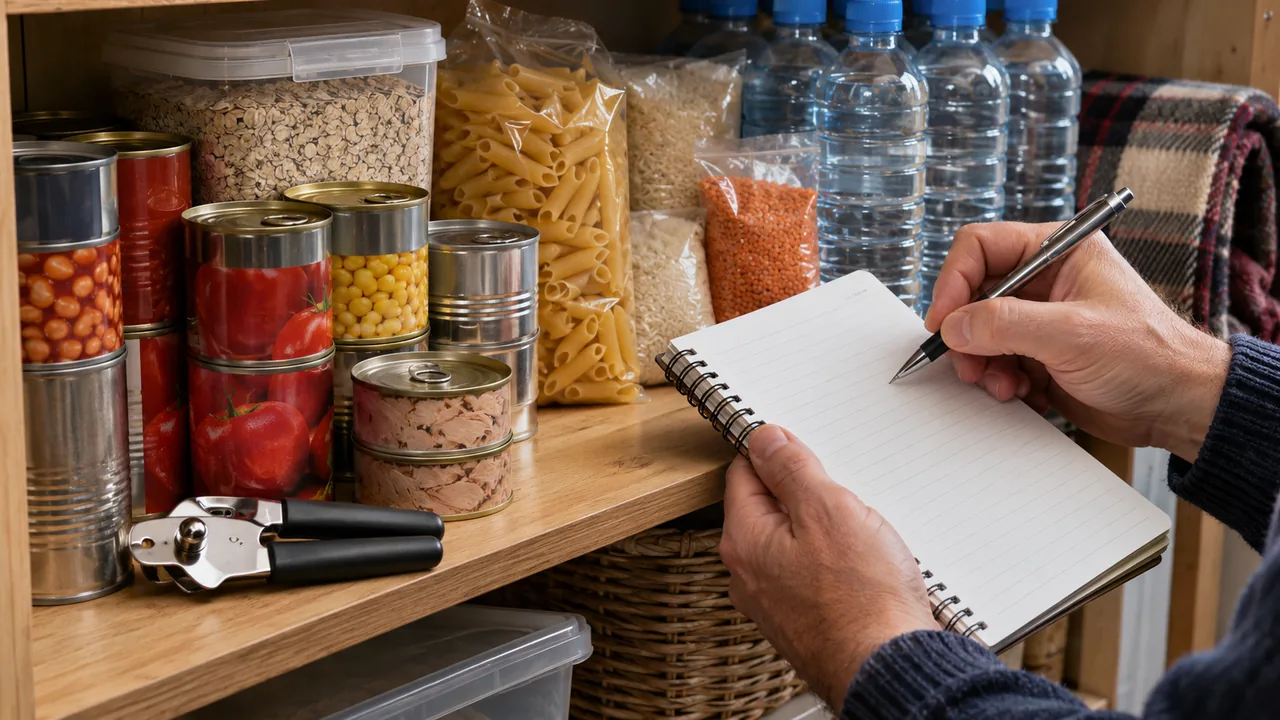
Choose a small part of the cupboard for food that does not require heat or refrigeration before opening. Read the labels instead of judging by the packaging. Some tins and pouches contain fully cooked food; others need further preparation. A packet being long-life does not automatically mean it is ready to eat.
Group food by the meal it can help create: breakfast, a filling main meal, a lighter meal and suitable snacks. Add a manual tin opener, clean utensils and any portioning equipment you need. Keep food separate from cleaning chemicals and protect packaging from damage.
Use these supplies in ordinary life and replace them. That helps you notice whether a product is acceptable, easy to open and sold in a useful portion size. It also avoids discovering during an outage that your emergency dinner is something nobody will eat.
Keep the preparation area simple and clean
Choose a work surface you can illuminate safely with a battery light. Clear unnecessary objects and keep children and pets away from open tins and cutting tools. If visibility is poor, make a simpler meal rather than attempting fiddly preparation with sharp equipment.
Clean hands, safe water and suitable utensils still matter when there is no electricity. Hand gel and wipes may help with some tasks, but they do not replace every need for washing. Follow local advice if the water supply is interrupted or subject to a quality notice.
Plan for waste as you prepare. Keep empty packaging and sharp tin lids away from children and animals. A small bag for rubbish and a clear place for used utensils can prevent a simple meal leaving the room difficult to use for the rest of the evening.
Breakfast idea: familiar cereal with an appropriately sized milk portion
A breakfast cereal or other suitable ready-to-eat breakfast food can be straightforward if it meets your household's dietary needs. If using shelf-stable milk or a suitable alternative, choose a portion size you can use and follow the label once it is opened. Unopened long-life storage instructions do not mean an opened carton can be left unrefrigerated indefinitely.
Add a suitable fruit portion, such as fruit canned in juice, if the product is ready to eat. Use clean utensils and serve a quantity people will finish. Keep the remaining packaging instructions in view rather than assuming that everything on the no-cook shelf has the same storage rules.
For children, use foods and serving sizes appropriate to their age. Do not introduce an unfamiliar allergen simply because it appears on an emergency shopping list. A dependable breakfast is one your household can prepare and eat comfortably under the conditions you actually have.
Lunch idea: a ready-to-eat bean and vegetable bowl
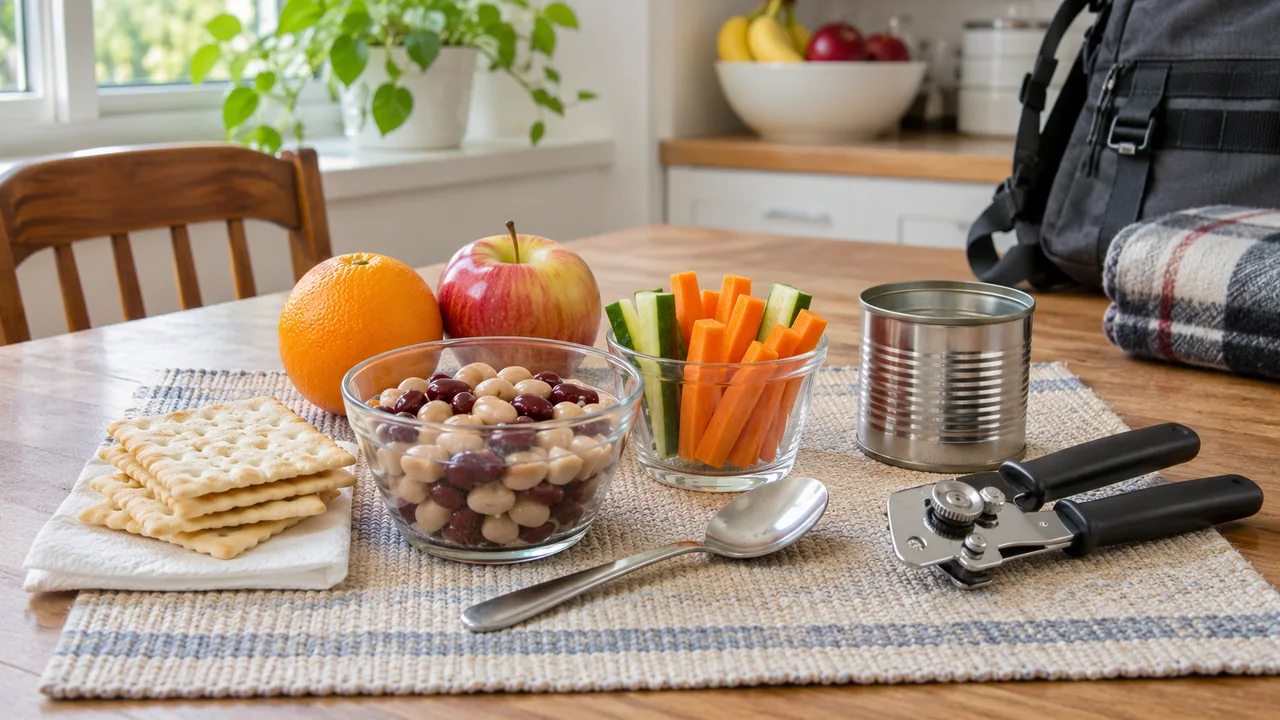
Choose beans or pulses clearly labelled as cooked and ready to eat, together with suitable ready-to-eat vegetables. Combine only the amount you plan to serve, and use a familiar dressing if its storage instructions suit the situation. Serve with bread, crackers or another suitable carbohydrate you can store safely.
Do not substitute raw dried pulses for cooked tinned products. They require proper preparation and cooking. Likewise, check whether the vegetable product is ready to eat rather than assuming a sealed packet is safe without further work.
Keep the flavour simple and familiar. A meal that normally forms a side dish may become more substantial with an appropriate additional food, but dietary needs vary. If someone follows a prescribed nutritional plan, use the meals already agreed for that person rather than relying on a general recipe suggestion.
Lunch idea: fish or a suitable alternative on crackers
Ready-to-eat tinned fish can form a quick meal where it suits the household's diet and allergy needs. Open a sensible portion, serve with crackers or bread and add an appropriate ready-to-eat accompaniment. Check the product instructions and use clean utensils.
For people who do not eat fish, choose a familiar shelf-stable alternative that is safe to eat without cooking. Spreads, pulses or other products may be useful, but their ingredients and storage rules differ. An emergency meal should respect dietary choices rather than treat them as optional.
Think about the practical leftovers before opening a large tin. If safe refrigeration is unavailable, a smaller pack may reduce waste and uncertainty. Do not leave a mixed bowl on the table all afternoon because the individual unopened ingredients were originally shelf-stable.
Evening idea: a picnic-style plate without unsafe extras
A no-cook evening meal can be assembled from several small familiar foods: suitable crackers or bread, a ready-to-eat protein food, an appropriate fruit or vegetable portion and a safe spread or accompaniment. You do not need to reproduce a hot dinner exactly to make the meal feel organised.
Keep chilled ingredients out of the plan unless you know they have remained safe. A product looking or smelling normal is not proof of suitable storage. Do not repeatedly open the fridge hoping to rescue a little more variety while allowing everything inside to warm faster.
Serve the household together where practical. A recognisable mealtime can be reassuring, especially for children, and it helps you see what has been used. Keep tomorrow's food organised rather than putting every emergency supply on the table at once.
Snacks can help, but should fit the people eating them
Choose snacks according to ordinary dietary needs, allergies and age. Suitable dried fruit, crackers, cereal products or other shelf-stable foods may be useful. Nuts can be convenient for some adults but unsuitable for people with allergies and a choking concern for young children.
Keep snacks in manageable portions so that supplies last as intended. It is easy to eat through an entire packet while waiting for updates, especially when the usual routine has disappeared. A simple meal plan helps prevent the most convenient food being used before the first day is over.
Keep drinking water available. Do not assume that eating a salty snack means someone should restrict fluids because supplies are limited. Review the household's safe-water provision and seek support if essential needs cannot be met. Food and water planning should work together.
A sample three-day menu framework
For day one, you might use a suitable breakfast food, a cooked ready-to-eat bean bowl at lunch and a picnic-style evening plate. Keep the combinations familiar and use portions that suit your household. Add suitable snacks and safe drinks as needed.
For day two, vary the carbohydrate and ready-to-eat protein choices where your supplies allow. Fruit in juice, an appropriate spread and a different safe tinned food can make the menu feel less repetitive without requiring a new cooking method. Check each opened product's instructions.
For day three, use the remaining planned portions rather than opening large new packs indiscriminately. Review what is still safe, what the household wants to eat and whether the outage is continuing. The framework is a way to organise supplies, not a prescribed nutritional plan or a reason to eat something unsuitable.
Shop by portions and preparation needs
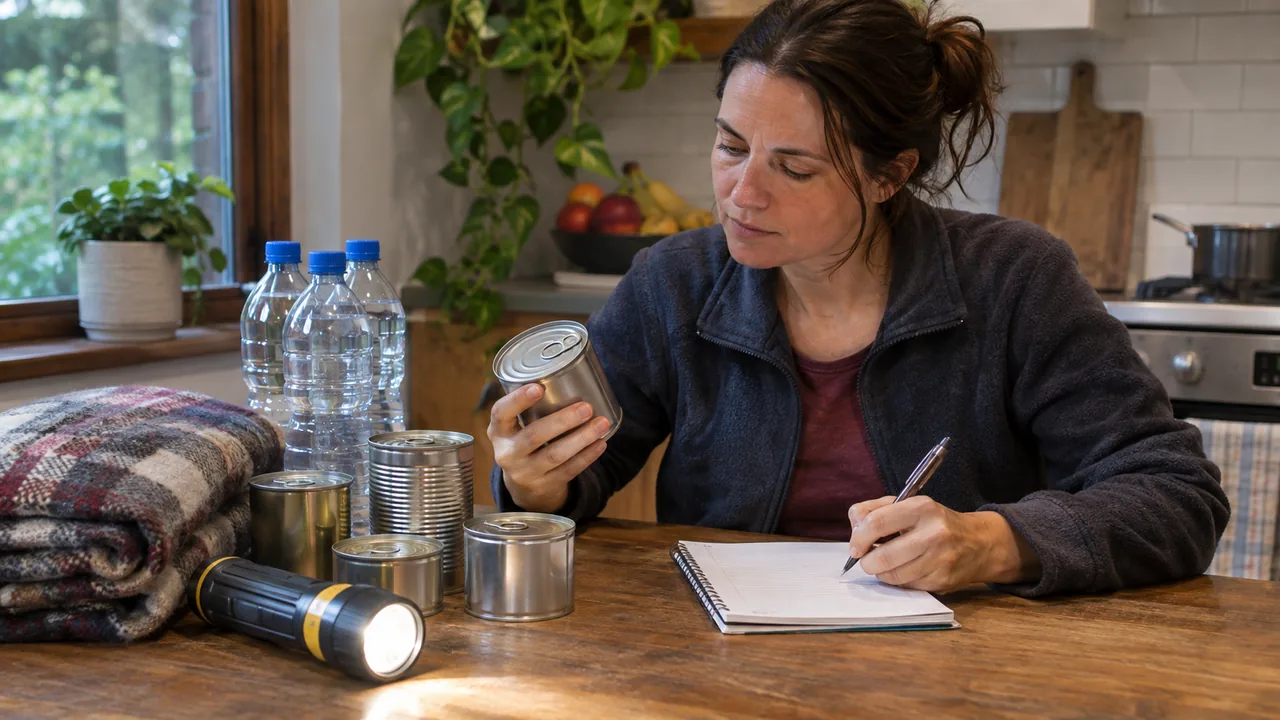
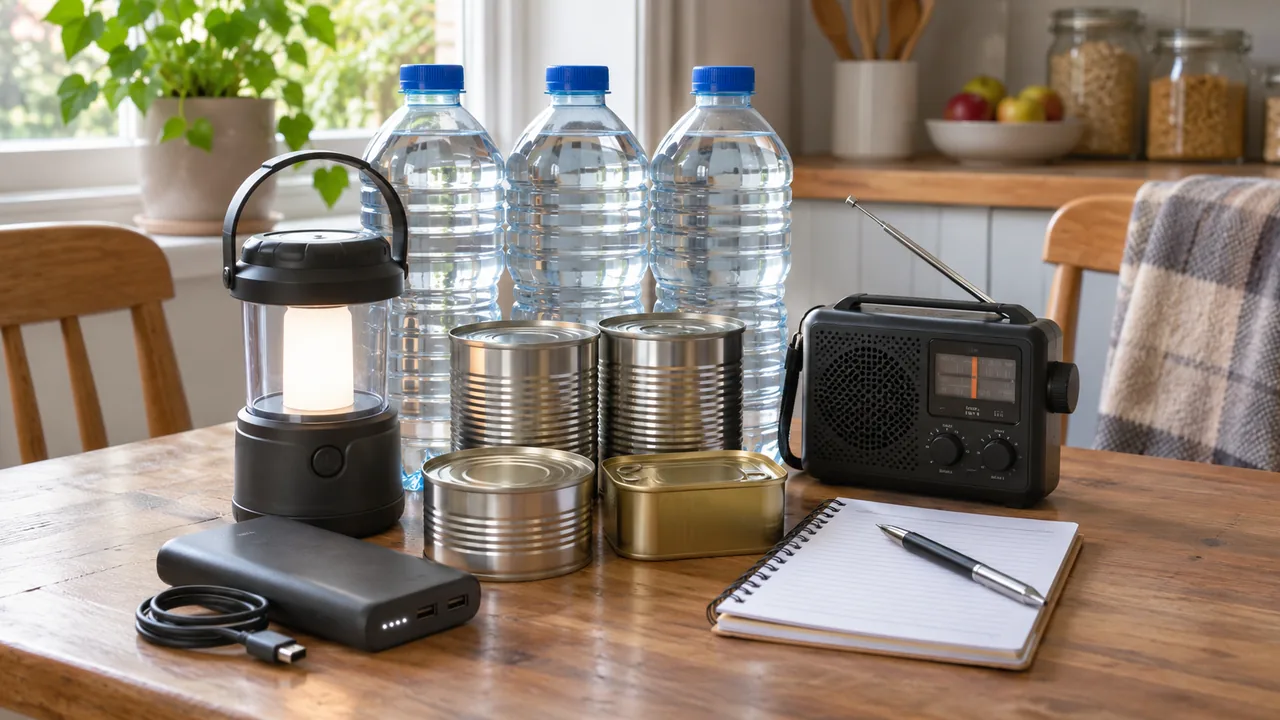
Read the serving information and make a realistic count of meals. Six tins are not automatically six family dinners. Products vary in size, energy, ingredients and suitability. Think about what people normally eat and whether each combination is substantial enough for them.
Include packaging in the decision. A ring-pull lid may be convenient, but a manual tin opener remains useful because products change. A large economy carton can be good value in normal life and awkward during an outage if it creates leftovers requiring refrigeration.
Avoid buying a large quantity of something you have never tried. A small ordinary meal using the proposed supplies can reveal taste, texture, portion and opening problems before they matter. Adjust the shopping list based on that experience rather than on a generic 'survival food' label.
Adapt for allergies and particular diets
Keep allergen information with the food and check labels even on familiar products, because formulations can change. Prevent cross-contact through shared utensils and surfaces. A hurried household meal should not bypass the precautions someone normally uses to stay safe.
For a prescribed diet, swallowing problem or another clinical requirement, ask the relevant professional what a suitable no-power food plan looks like. The answer may involve specialist products, preparation equipment or a threshold for obtaining support. Record it before an interruption.
Vegetarian, vegan, religious and cultural preferences can usually be considered during normal shopping rather than addressed as a last-minute problem. Choose foods the person accepts and can safely eat. A usable plan supports people's real lives, including the food that matters to them.
Plan feeding for babies separately
Do not improvise a baby's feeding method from adult pantry suggestions. If the household uses formula, consider how safe preparation and cleaning will continue without electricity or mains water. Ready-to-feed formula may be useful in some circumstances, subject to product instructions and individual needs.
Powdered formula is not sterile, and bottled water does not automatically remove the need for the correct preparation procedure. Follow current NHS or public-health advice, and discuss practical alternatives with an appropriate health professional before an outage where possible.
Never dilute formula, change the mixing ratio or substitute an unsuitable product to extend supplies. Keep the baby's feeding and hygiene requirements near the top of the household plan. If you cannot meet them safely, seek the appropriate professional support instead of trying to make the general menu fit.
Avoid turning a meal problem into a fire or carbon monoxide emergency
It can be tempting to bring camping equipment indoors when everyone wants a hot drink. Do not use an outdoor stove, barbecue or other outdoor fuel-burning cooking equipment inside the home, garage or enclosed space. An open window does not make that safe.
If you use outdoor cooking equipment, follow all manufacturer and local safety instructions, and consider weather, location, stability and fire risk. It may not be suitable for your property or circumstances. No-cook food is valuable because it gives you an alternative when safe cooking is not possible.
Do not use a gas oven as room heating or improvise a burner setup with unsuitable containers. When conditions make safe preparation difficult, choose the simplest safe meal and reconsider accommodation if necessary. A hot dinner is not worth creating a more serious emergency.
Be careful with food from the fridge
Keep chilled and frozen storage closed as much as possible during the outage. Note when electricity failed and use reliable temperature and duration information when making food decisions. Do not taste something to check safety, and do not assume reheating will make every temperature-abused food safe.
The Food Standards Agency provides specific guidance for power cuts, including how closed fridges and freezers retain cold and how temperature affects decisions. Read the current advice for your location. Our power-cut food-safety guide explains the questions to work through.
If a particular food's storage history is uncertain, do not let the wish to avoid waste decide the answer. Your no-cook cupboard supplies exist partly to remove that pressure. They give you an option when a chilled meal can no longer be used confidently.
Test one no-cook meal before an outage
Choose an ordinary lunch and prepare it using only the supplies and utensils you intend to rely on. Keep the exercise safe and do not switch off essential equipment. Note whether the meal is easy to open, serve and clean up, and whether everyone finds it acceptable.
Check the less obvious requirements. Do you need more safe water than expected? Does a sauce need refrigeration after opening? Can the person with limited hand strength operate the opener? Is there enough lighting for the preparation area? Those practical answers improve the plan more than adding another unfamiliar product.
Keep a short menu card with the supplies, including useful combinations and storage reminders. It saves somebody having to invent dinner while also checking updates and looking after children. A little preparation in daylight can make a disrupted evening feel far more manageable.
Put the opener with the meal plan
Before calling the shelf ready, open one planned meal during an ordinary day. Check the lid, utensils, serving size and after-opening instructions. Keep the suitable opener and a short menu note nearby. If a product creates difficult leftovers or needs more preparation than expected, change it while normal shopping and refrigeration are available. A tested familiar meal removes a decision from an already disrupted evening.
Frequently asked questions
Can all tinned food be eaten cold?
No universal rule covers every product. Many tinned foods are fully cooked and ready to eat, but you should check the label and preparation instructions. Do not use damaged, leaking, bulging or otherwise suspect packaging. Keep a manual tin opener available and follow storage instructions after opening, especially when reliable refrigeration is unavailable.
Is long-life milk safe after I open it?
Follow the product's instructions. Shelf-stable storage before opening does not mean an opened carton can remain unrefrigerated indefinitely. Smaller portions may be easier to manage during a power cut because they reduce leftovers. Choose an appropriate alternative if you cannot meet the stated storage conditions, and consider any dietary or allergy requirements.
Can I use a camping stove in the kitchen if I open a window?
No. Outdoor cooking equipment can create a serious fire and carbon monoxide risk indoors. Opening a window is not a safe substitute for correct use. Keep no-cook food available so you are not dependent on an improvised setup. Use any outdoor equipment only where permitted and in accordance with all relevant instructions and safety conditions.
What if my child refuses the emergency food?
Use familiar safe foods in the plan and try a sample meal beforehand. Keep the routine calm and offer appropriate choices rather than making the outage a time to introduce several new textures or flavours. If a child has a restricted diet or clinical feeding need, ask the relevant professional about a suitable disruption plan before you need it.
Should I cook everything from the freezer immediately?
No. Keep the freezer closed and use current food-safety guidance to assess its contents. A rush to cook everything may be impossible, unsafe or create more food than you can store. Base decisions on the food's condition and storage history, not simply on the fact that electricity is unavailable. Use ready-to-eat cupboard supplies when safe cooking is not practical.
Sources and further reading
Food Standards Agency: food safety in emergencies
London Fire Brigade: preparing and cooking safely during outages