

An interruption to one service is inconvenient. Losing electricity, mains water and internet together can make ordinary tasks unexpectedly difficult. You may have food but no easy way to cook it, a charged phone but no reliable connection, and a bathroom that cannot be used in the usual way.
Getting through 72 hours starts with reducing those dependencies. Keep safe drinking water, food you can eat without cooking, battery lighting and information that does not live only online. Then work out the household needs that require a more specific plan, especially treatment, mobility, feeding babies and caring responsibilities.
This is a home planning guide for a situation in which the property remains safe to occupy. It is not an instruction to stay put during a fire, flood or evacuation order. If the home becomes unsafe, or essential care cannot continue, use your alternative arrangements and seek appropriate help.
First establish what has stopped working
Write down what you know and what you do not. Is the power off? Are taps completely dry, or has the supplier issued a water-quality notice? Does mobile data work even though broadband is down? Keeping those distinctions clear helps you avoid treating every problem as the same kind of outage.
Use the responsible providers' information when available. Record the time of the interruption and the latest update. Restoration estimates are useful for planning, but they can change. Avoid basing an essential medical decision on an optimistic message that has not been confirmed.
Do a quick safety check before thinking about supplies. Look for smoke, damage, water near electrical equipment and anyone needing immediate assistance. Bring the household together in a suitable room, with a working light and clear access. That gives you somewhere to organise the next steps without moving repeatedly through darkness.
Put drinking water ahead of convenience
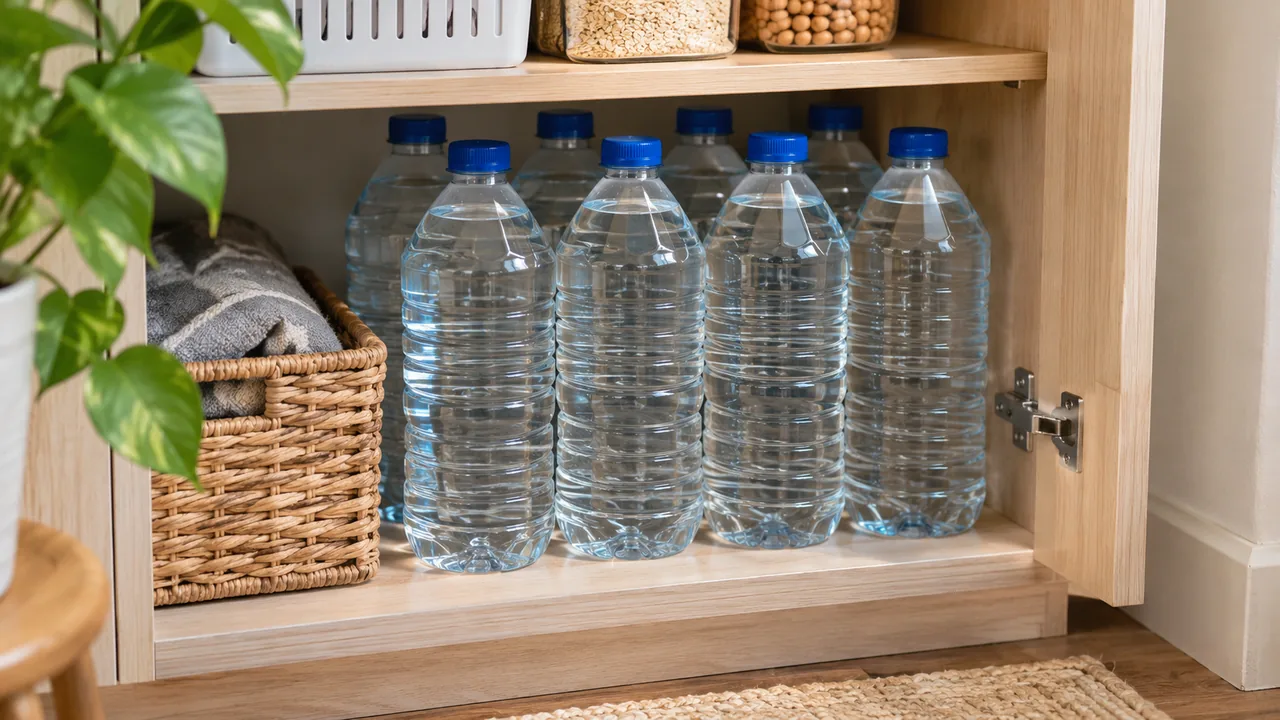
The UK household baseline of three litres of drinking water per person per day gives you a starting calculation. Three days means nine litres each, before other uses. A family of three would therefore plan 27 litres for drinking, then consider additional needs separately.
Label water according to its intended use and keep drinking supplies protected from contamination. Do not use a container that previously held chemicals. Smaller bottles may be more practical than a large container if someone has difficulty lifting, pouring or reaching a storage shelf.
Keep an eye on what is being used. An informal note on the cupboard door can help you notice whether supplies will last as intended. Do not restrict a person's medically necessary fluids to make the plan look successful. If safe supplies are inadequate, contact the water provider or relevant local support and follow their collection or delivery instructions.
Plan meals around the power you actually have
Choose familiar food that can safely be eaten without heating. Read labels and use a manual tin opener where needed. Separate genuinely ready-to-eat supplies from rice, pasta, dried pulses and other ingredients that need reliable cooking and water.
Write a rough menu so that the easiest food does not disappear on the first afternoon. Breakfast, a main meal, a lighter meal and suitable snacks may be enough structure. Include dietary requirements and children's usual needs. An unfamiliar 'survival ration' is not automatically a better choice than a food someone comfortably eats every week.
Keep portions manageable. Once packaging is opened, refrigeration instructions may apply even when the unopened product was shelf-stable. Avoid preparing a large meal that creates leftovers you cannot store safely. Leave the fridge and freezer closed, then assess their contents using current food-safety guidance rather than taste or appearance.
Think through washing and toilet arrangements
Water shortages affect more than drinking. Consider handwashing, essential personal care, cleaning feeding equipment and using the toilet. Keep suitable supplies available, but do not improvise a system that exposes people to waste or contaminates food preparation areas.
Use your water provider's and local authority's advice for the particular interruption. A loss of supply is different from a sewer problem, a flood or a 'do not use' notice. Advice about flushing, collecting water or cleaning can change according to the cause. If you do not know which situation applies, ask before using an alternative source.
Keep waste contained and away from food, children and pets. Gloves, appropriate bags and a clear cleaning routine can make ordinary tasks easier, but they do not remove the need for safe hand hygiene. Give anyone with care needs privacy and support. Dignity is part of a practical emergency plan.
Use lighting and batteries deliberately
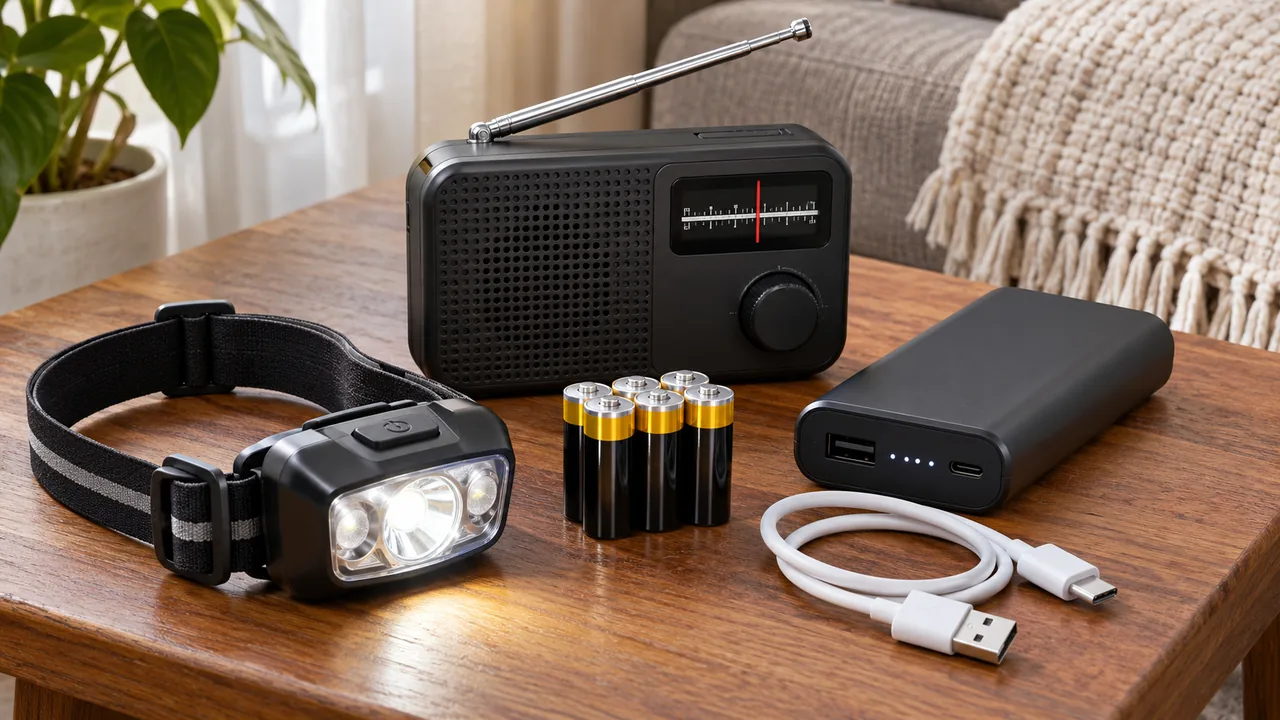
Choose battery lights for the areas you need to use, including routes to the bathroom. Put them where they will not become trip hazards. A head torch can be useful for tasks, while a lantern can provide shared room lighting. Avoid leaving a phone torch on simply because it was the first light available.
Make a charging order. A phone used for essential contact may take priority over entertainment devices. Keep necessary cables together and check that the power bank is actually charging the intended device. Record a medical device's approved battery arrangements separately, following the care team's instructions.
Do not assume a solar panel solves the problem immediately. Useful output depends on weather, placement, system design and compatible equipment. Likewise, a home solar installation may shut down during a grid outage unless it has a properly designed backup capability. Use only arrangements you understand and have safely tested.
Keep information available when the router is silent
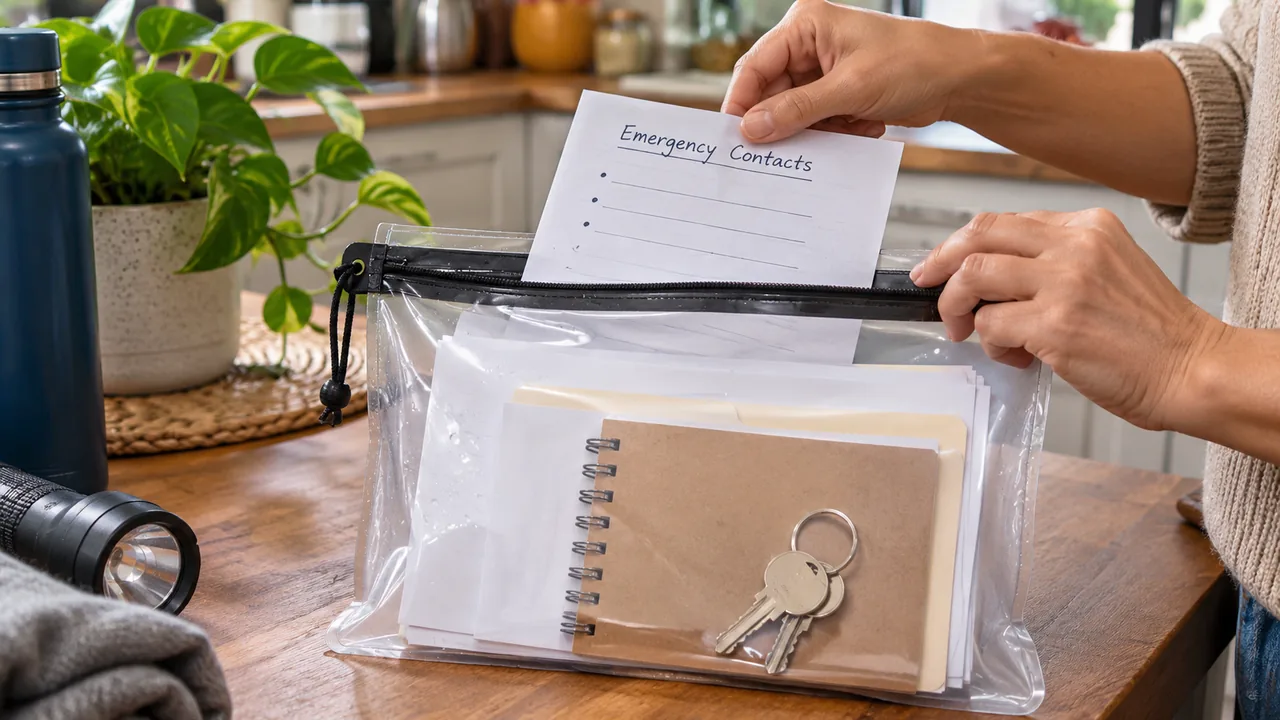
A paper contact sheet should include providers, relevant local services, care contacts and a trusted person outside the immediate area. Add the information you normally retrieve from an app, such as an account reference needed to report a fault. Protect sensitive details and keep the sheet accessible to responsible household members.
A battery radio adds another possible source of updates. Check usable stations before an incident and write down their frequencies. If you still have a mobile connection, use it for specific information rather than continuous scrolling. Save the battery for tasks that change your decisions.
Agree a simple communication routine with relatives. A brief message saying where you are and when you plan to check in can reduce repeated calls. If a message does not arrive, avoid assuming the worst immediately: local networks may be overloaded or unavailable. Use the alternatives agreed in your family plan.
Treat medical needs as the time-critical part of the plan
Before an outage, identify what depends on electricity, clean water, refrigeration, deliveries or a particular carer. Ask the relevant professional what to do if each dependency fails. Keep written instructions and the correct contact route with the equipment or medicine information.
During disruption, follow that plan and act at the agreed threshold. Waiting for a battery to run almost flat may leave too little time for transport or support. Do not change treatment, improvise equipment connections or ration medication without professional advice.
Remember that additional support registers and local arrangements are helpful but cannot guarantee uninterrupted services. Make sure providers have accurate information, and ask how to contact them through accessible alternatives. If a person's condition creates an immediate emergency, seek emergency help rather than waiting for a general service update.
Manage temperature without unsafe shortcuts
In cold conditions, use appropriate clothing, blankets and a suitable shared room. Keep ordinary ventilation and fire safety in mind. Never use a barbecue, outdoor stove or fuel generator indoors, and do not use a gas oven as room heating. Carbon monoxide cannot be reliably detected by smell.
In hot conditions, reduce unnecessary heat indoors, use shade and seek a cooler safe place if the home cannot remain comfortable. Cooling needs may be more urgent for babies, older adults and people with particular health conditions. A plan for a winter outage may not work during a heatwave.
Agree where you could go if indoor conditions become unsuitable. Check that the destination has power or other facilities, safe access and room for your household's needs. It is easier to arrange that while you are comfortable than after everyone is tired, cold or overheated.

Give the first day a simple rhythm
The first hours can feel chaotic because every normal task needs a new method. Choose a few predictable points: checking official updates, preparing a meal, reviewing supplies and contacting someone who expects to hear from you. Keep the schedule light enough to adapt.
Write down changes that matter. A restoration estimate, a provider notice, a remaining equipment runtime or an arranged lift can be easy to forget. A single notebook helps avoid several people acting on different versions of the same information.
Allow time for rest and familiar activities. A book, card game or quiet conversation can stop the household spending every minute watching for a service to return. This does not mean ignoring risk. It means concentrating on useful actions and giving everyone space to cope with a disrupted routine.
Use the second day to reassess, rather than simply repeat
Review supplies against actual use. Are water and food lasting as expected? Has a health need changed? Does the latest official information suggest the interruption will continue? The answers should shape your next steps rather than the original hope that everything would be back by morning.
Check agreed support arrangements if it is safe. Someone who managed the first evening may need help collecting water or finding a suitable place to charge essential equipment. Ask what they need and avoid taking on tasks that exceed your own safe capacity.
If you need to obtain supplies, confirm the location, access and opening information through reliable sources. Do not travel on the strength of an old screenshot. Take only what your household reasonably needs and follow distribution instructions so that assistance remains available to others.
On the third day, plan beyond the original target
Three days is a useful planning horizon, but it should not become a cliff edge. If services remain unavailable, assess the next practical requirements early. You may need additional supplies, a different care arrangement or temporary accommodation. Avoid waiting until the last bottle or approved equipment battery is nearly exhausted.
Consider travel as a separate decision. A destination is useful only if the journey and accommodation are suitable. Check road conditions, access, pets, mobility and the services available there. If authorities instruct you to stay off the roads or evacuate by a particular route, follow that guidance.
Keep the tone within the household factual. Explain what has changed and the next step you are taking. You do not need to predict every possible outcome. A clear action for the next few hours is often more reassuring than an uncertain promise about the whole week.
Avoid the common dependency traps
An emergency plan can appear complete while relying on the same failed system in several ways. Downloaded documents are helpful, but they still need a charged device. An electric kettle cannot boil water without electricity. A digital payment card cannot make a disconnected shop terminal work.
Test these assumptions in daylight. Can you open the food? Can you read the contact sheet without logging into an account? Does the radio work where you intend to use it? Can the person who needs the water reach and pour it? Small checks expose gaps more effectively than adding another generic item to the cupboard.
Keep backups proportionate. You do not need several expensive versions of every object. Prioritise the functions that matter: drinking, eating, seeing, receiving information and continuing essential care. A simple arrangement that works is more useful than a complicated system nobody has practised.
Restart carefully when services return
Follow supplier advice when water or electricity is restored. A returning flow from the tap does not automatically cancel a water-quality notice. Check current instructions before drinking it or using it for food preparation. Likewise, restore appliances through ordinary safe controls and check for damage.
Assess refrigerated food and medicines according to the conditions they experienced. Cooling them again does not necessarily make them safe. Use relevant food guidance and professional medicine advice where needed, and keep records if they help explain the storage history.
Then restock, recharge and simplify. Replace the supplies you used and note what made daily life hardest. You may discover that a better contact sheet, a smaller water container or an agreed place to stay would improve the plan more than another piece of equipment.
Keep a simple morning review
During a longer interruption, make a short daily note of remaining safe water, planned meals, essential equipment arrangements and the latest official information. The purpose is to notice a gap early, not to account for every sip or create a demanding paperwork routine.
Compare what you expected with what actually happened. Perhaps the first evening used more light or water than planned, or a child needed a different food. Adjust the next day while preserving essential health needs and seeking appropriate support where necessary.
Ask who is available today, because work and caring arrangements may change even while the outage continues. A plan that worked with two adults yesterday may need simplifying with one person today. Keep the next action specific and manageable rather than assuming the original routine should continue unchanged.
Frequently asked questions
Should I shut off every utility when services fail?
No universal instruction applies to every outage. Follow the relevant supplier's and emergency services' advice, and use only controls you can operate safely. A flood, suspected gas leak or electrical fault may require different action from a routine interruption. Never touch electrical switches while standing in water or investigate damaged equipment to complete a household checklist.
Can I drink rainwater if my stored water runs out?
Do not assume rainwater is safe to drink. It can contain microbes and other contaminants, and treatment depends on the source and conditions. Contact your water provider about safe alternative supplies and follow its instructions. Keep rainwater intended for gardens or flushing separate from drinking supplies, with containers clearly identified to prevent accidental use.
Will a fully charged phone keep me connected?
Not necessarily. Mobile coverage, local masts and wider services may also be affected. A charged phone is useful, but pair it with paper information and another possible update route, such as a battery radio. Agree contact arrangements in advance and avoid assuming that a delayed message means someone has ignored the plan or is necessarily in danger.
Is it better to use fridge food first?
Only while it remains safe and can be prepared safely. Do not turn a wish to avoid waste into a reason to eat food with an uncertain storage history. Keep doors closed, note timing and temperature information where available, and use current food-safety guidance. Ready-to-eat cupboard supplies remain valuable when safe cooking or refrigeration is unavailable.
When should we leave home?
Leave when instructed by the authorities, when the property is unsafe or when essential needs cannot be met there through your agreed arrangements. Consider the destination and journey as well as the wish to leave. If someone faces an immediate threat to life, seek emergency help. A three-day supply is useful preparation, not a requirement to stay in unsuitable conditions.