

You have money in the bank and food on the shop shelf, but the payment terminal will not connect. A card-payment outage reveals a dependency that is easy to overlook: buying essentials needs more than an available balance. The shop, terminal, communications network and payment systems also have to cooperate.
A modest, affordable cash reserve can provide another option, alongside physical cards and enough ordinary supplies to avoid an urgent shopping trip. It is not a reason to empty an account, keep large sums at home or assume every shop will trade normally during a wider power cut.
The practical aim is choice. You want a few manageable ways to obtain necessities without making a rushed decision in a queue. This guide explains how to plan for disrupted payments while protecting your money and avoiding claims that a temporary outage proves something much larger.
First distinguish a declined payment from a wider outage
A payment can fail for several reasons. The issue may be the terminal, one shop's connection, the payment service or your own account. Ask the retailer what it knows without assuming that one failed attempt means every bank or shop has stopped working.
Check official bank or provider information through a connection you can use safely. Avoid entering details through a link sent by someone claiming to explain the outage. If the problem appears specific to your account, contact the bank through its normal verified route.
Keep the facts limited to what is confirmed. A message saying a shop's terminals are offline is not evidence that bank balances have disappeared. Accurate information helps you choose another payment method or postpone a purchase without spreading unnecessary worry.
Keep enough essentials to make shopping less urgent
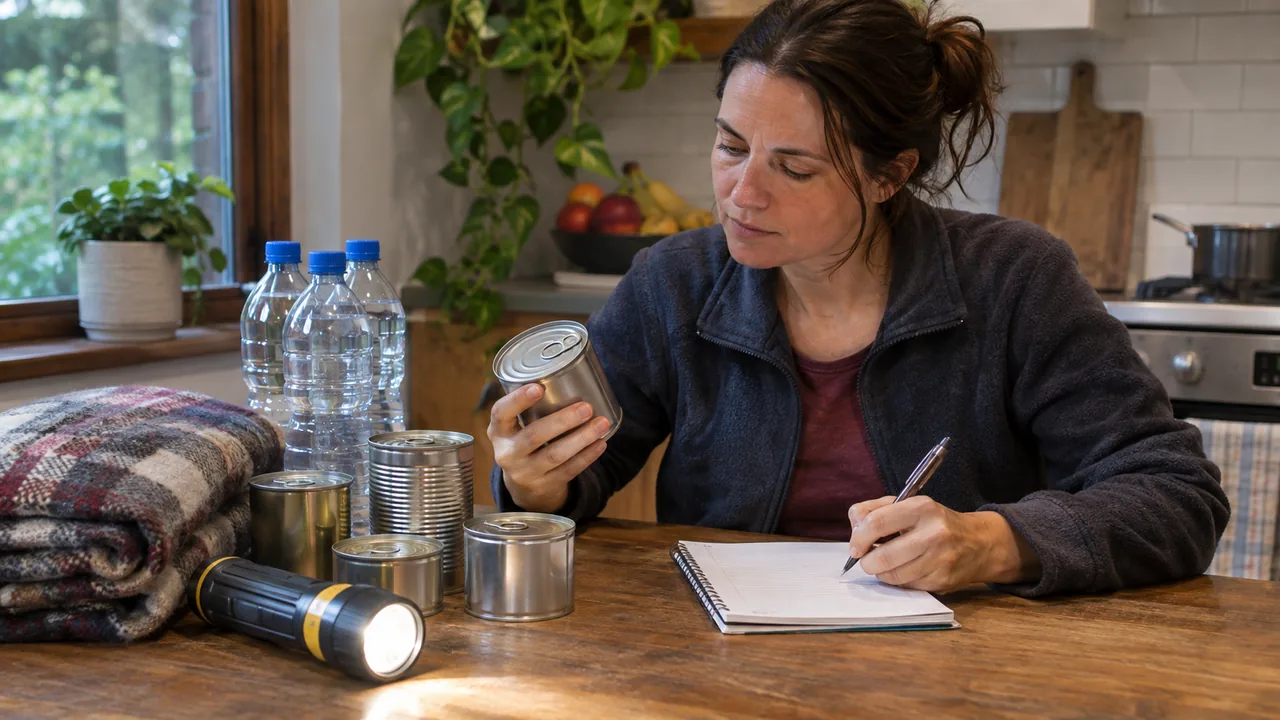
The most effective response to some payment interruptions is not needing to shop immediately. Familiar food, safe drinking water and ordinary household supplies give you time to wait for reliable information. That can be more useful than carrying several payment devices that depend on the same unavailable system.
Build supplies gradually through normal shopping. Check dates, storage space and what the household actually uses. Avoid buying more than you can afford or creating shortages through panic. A small practical reserve should support the normal budget rather than disrupt it.
Include the items that cannot easily wait: suitable food, care supplies, pet needs and prescriptions managed through ordinary professional arrangements. The 72-hour kit guide helps you connect payment planning with the rest of household preparedness.
Treat cash as one option with limits
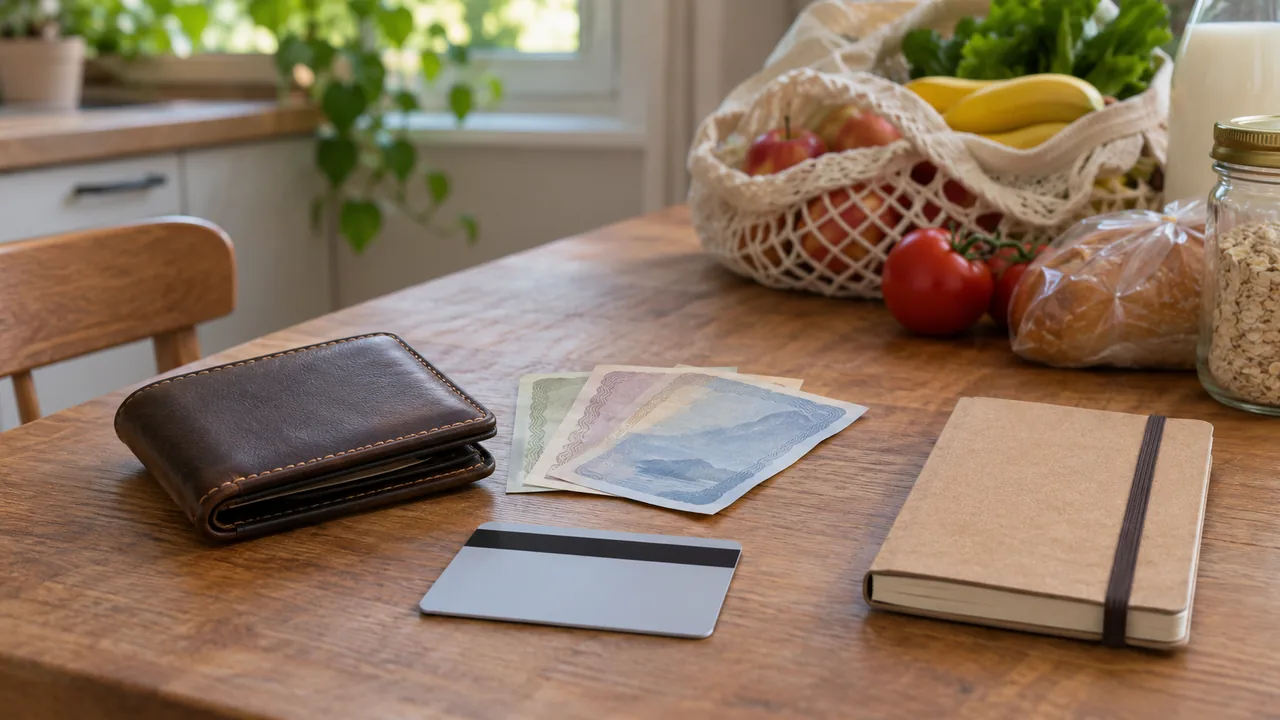
The UK Be Ready checklist suggests keeping a mix of cash and cards for circumstances where electronic payments or cash machines are disrupted. The appropriate amount depends on your household's essential purchases and what you can comfortably set aside. There is no universal figure that every family must keep.
Cash does not make a closed shop open or a fuel pump operate without power. A retailer may also be unable or unwilling to take it, or may lack change. Keep expectations realistic and ask politely what payment methods are available at the time.
Do not let emergency planning become a reason to hold a large unsecured sum. Consider normal household security, the risk of loss and any relevant insurance conditions. Avoid advertising where cash is stored or discussing the amount in a public group chat.
Work out a personal figure through essentials
List the purchases you might genuinely need during a short payment interruption. That could include a modest food top-up, transport or another ordinary necessity. Separate these from purchases that can wait. The list should reflect your real routine rather than a generic shopping basket.
Use current prices from your own normal spending if you want to estimate a total. Treat the result as a household planning exercise, not a national recommendation. A person who walks to local shops and a household needing accessible transport may have different priorities.
If there is little room in the budget, focus on what you can do without additional spending: keep contact details, check existing supplies and understand payment alternatives. Build any cash reserve gradually. Preparedness should not encourage missed bills, debt or money being taken away from essentials you need today.
Think about denominations and access
A mixture of useful notes and coins can make small purchases easier if a shop has limited change. Keep it proportionate to the likely purchases. One large note is less flexible than several manageable denominations, but a container full of small coins may be heavy and inconvenient.
Make sure the responsible people who may need the money can access it appropriately. A reserve locked away behind a single person's knowledge may be difficult to use if that person is away. Balance access with ordinary privacy and security.
If a household member has limited dexterity, sight loss or another accessibility need, ask what arrangement works for them. A clear wallet, familiar organisation or assistance from a trusted person may help. Do not assume that moving from a card to cash is equally simple for everyone.
A physical card can help, but it is not an independent network
Carrying the physical card can be useful if the problem is a phone battery or mobile-wallet issue. It may also allow a payment method the retailer can support when another method fails. That does not guarantee success during a wider terminal or network outage.
Do not assume that a second app on the same phone provides a genuinely separate backup. It may depend on the same battery, mobile connection, bank or retailer infrastructure. Identify the specific failure each alternative can help with.
Some transactions may work under arrangements that are not visible to the customer, while others require live approval. The retailer and payment provider determine what is possible. Avoid arguing that a terminal should accept an offline payment because you have seen another shop do so.
Do not depend on finding a working cash machine after the problem begins
Cash machines can be affected by electricity, communications, access and cash availability. If many people seek cash at once, a nearby machine may not be a dependable solution. This is one reason to consider a modest reserve beforehand, within your means.
If you do need cash, use an ordinary safe location and verified banking arrangements. Be alert to tampering, unusual instructions and people offering to 'help' by taking your card or seeing your PIN. Do not travel through hazardous conditions merely to test machines in several locations.
Avoid repeated withdrawals driven by alarming claims online. Check the bank's actual information and distinguish a temporary access problem from a confirmed account issue. An urgent rumour is not a reason to move money to an unfamiliar account or share security details.
Protect yourself from outage-themed scams
Fraudsters may use a disruption as a reason to claim your account needs verification or your money must be moved. Do not disclose passwords, PINs, one-time codes or full security information to an unexpected caller or message. Contact the organisation independently through a verified route.
Be wary of links promising priority restoration, emergency compensation or special access to cash. A convincing logo or urgent tone does not establish authenticity. Use the bank's known app, a verified number or a website reached independently where possible.
If you believe you have shared information or lost money, contact the bank promptly through a verified channel and follow the applicable reporting advice. Keep records of what happened. Do not continue communicating with a suspected scammer to negotiate the return of funds.

Ask retailers what they can actually do
If you need essentials, ask a local retailer about opening, stock and accepted payment methods before making a difficult journey where possible. During disruption, staff may be working with limited information and systems. Keep the conversation practical and courteous.
Do not assume a cash-only sign means every normal service is available. The shop may have limits on chilled food, receipts, change or opening times. Buy only what you need and follow any reasonable distribution or queue arrangements.
In the UK, 'legal tender' does not mean an ordinary retailer must accept every form of cash for a purchase. The Bank of England explains that the phrase has a narrow technical meaning and shops can choose what they accept. Use that knowledge to plan alternatives, not to turn a disrupted purchase into an argument.
Prepare for needs that are harder to postpone
If a household member depends on a particular product, medicine or care supply, discuss continuity through the appropriate provider before an interruption. Do not rely only on a cash reserve to solve a supply problem. Stock availability, prescriptions and safe storage may be more important than payment method.
Keep relevant numbers and account references securely available offline. A pharmacy, care provider or utility may offer an appropriate route for urgent needs, but arrangements vary. Ask about the actual process rather than assuming staff can bypass their normal rules.
If a clinical need becomes urgent, seek the appropriate health support. Do not delay care while trying several shops or payment workarounds. The emergency plan should identify which needs can wait and which require a specific response.
Plan for transport and getting home
A transport ticket or parking payment may depend on an app, card terminal or connection. Before relying on a single method, check the operator's official alternatives and any relevant accessibility arrangements. Keep essential journey information available offline.
Cash may help with some services but is not accepted universally. Do not assume a driver, station or car park can take it during an outage. If you regularly travel with a child or someone needing support, consider how you would reach a safe waiting place or contact a trusted person.
Avoid buying unnecessary fuel or making a hazardous journey because a message claims all payments will fail later. Verify the information and prioritise safe travel. Our getting-home plan covers the wider decisions around disrupted roads and transport.
Keep track of spending during disruption
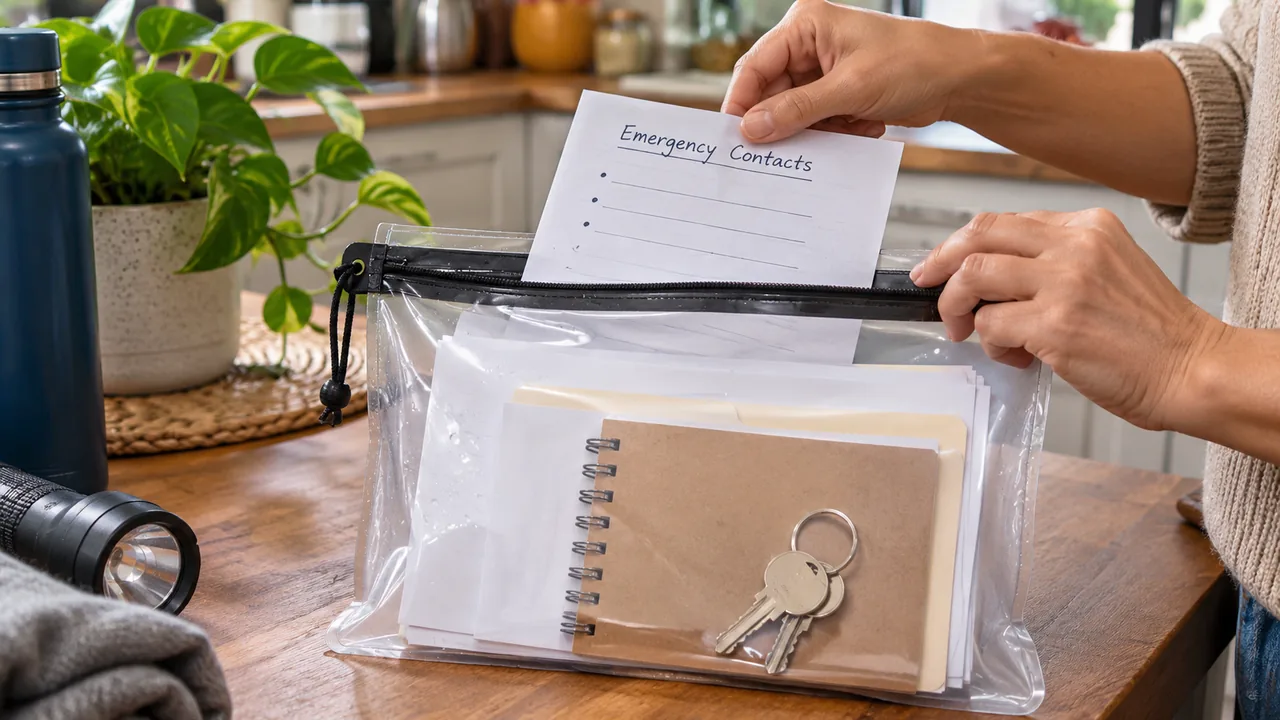
If you use cash that normally stays untouched, write down what was spent and what needs replacing when practical. Keep useful receipts where available. The aim is ordinary household control, not a complicated emergency accounting system.
If a card transaction appears uncertain, check its status through the bank rather than paying repeatedly without understanding what happened. A pending entry and a completed charge are not necessarily the same. Ask the retailer for available confirmation and use the provider's normal process for questions.
Do not share screenshots showing account balances, card details or sensitive references in public conversations about the outage. You can explain the issue without exposing the information needed to access or target your account. Privacy remains useful even when everyone is trying to help.
Reset the plan once normal payments return
Review the incident through confirmed information. Was the issue with one retailer, one device or a wider service? Which backup actually helped? Understanding the specific problem keeps your next improvement proportionate.
Replace any used household reserve when you can afford to, rather than treating it as a sudden compulsory expense. Update useful contact details and note any payment method that did not work as expected. If the event revealed a supply or care problem, arrange that follow-up separately.
A resilient payment plan is a small part of a larger household routine: reasonable supplies, more than one suitable payment option, secure information and calm decisions. You do not need to predict the next outage to reduce the pressure it might create.
Plan one disrupted shopping trip from start to finish
Imagine the household needs a small essential purchase while a retailer reports payment problems. First check whether the item is already available at home or the purchase can reasonably wait. That may remove the need for a journey and leave time for verified information.
If the purchase is necessary, confirm that the shop is open, has the relevant item and can accept a method you can actually use. A working cash machine does not establish that the retailer is trading, and cash in a wallet does not create change at the till. Consider the practical transaction rather than only the balance in the account.
Take appropriate information and protect security details as usual. Do not hand a card to an unfamiliar person offering to solve the outage or enter a PIN into equipment you do not understand. If a payment result is uncertain, ask for available confirmation and check through the provider rather than automatically repeating the transaction several times.
When you return, record any cash used and replace the household reserve gradually when affordable. Keep useful receipts where available. If the trip revealed that a specific care or dietary product is difficult to obtain, arrange that continuity question separately with the relevant provider.
The lesson may be a small supply change rather than more cash. Keeping one suitable item in ordinary rotation can reduce the urgency of the next purchase. Your plan should identify the specific dependency and solve it proportionately, without turning every failed payment into a reason for a large withdrawal or an unnecessary shopping trip.
Discuss the sequence with anyone who may shop for the household. Shared expectations make it easier to ask for a verified second check when an urgent account message or unexpected request arrives.
Frequently asked questions
How much emergency cash should I keep?
There is no single correct amount for every household. Consider essential purchases you might need during a short interruption and what you can comfortably set aside. Build gradually if useful, protect the money appropriately and avoid taking funds away from current essentials. Cash is one option alongside supplies, physical cards and verified provider arrangements.
Must a UK shop accept cash because it is legal tender?
No. The Bank of England explains that legal tender has a narrow technical meaning and does not oblige an ordinary retailer to accept every form of cash for a purchase. Ask what the shop can take at the time and plan alternatives. An outage may also affect opening, stock or change, even if some cash purchases are possible.
Will a mobile wallet work if the card terminal has no connection?
It depends on the retailer's equipment, provider and transaction arrangements. A mobile wallet does not guarantee an independent route around a terminal or network problem. Carrying a physical card can help with some phone-specific issues, but it may not solve a wider outage. Ask the retailer what methods are available rather than assuming a particular technology must work.
Should I withdraw a large amount when I hear about an outage?
Avoid acting on rumours or pressure. Check verified information from your bank and consider what you actually need. A modest affordable reserve planned beforehand is different from a rushed large withdrawal. Keep normal security and household priorities in mind, and never move money to an unfamiliar 'safe account' because an unexpected caller tells you to.
What if I urgently need medicine and cannot pay normally?
Contact the pharmacy or relevant care provider through a verified route and explain the situation. Payment, prescription and supply arrangements vary, so ask about the actual appropriate process. If a medical need is urgent, seek the relevant health support rather than spending essential time trying several shops or unverified payment workarounds.
Sources and further reading
UK Government: household cash and supplies