

Emergency water planning starts with a number, but it succeeds through practical details. You need enough safe drinking water, a place to store it, containers people can handle and a plan for the uses that drinking-water calculations do not cover. A large bottle in the garage is a start; it is not a complete household supply.
For UK household planning, the Be Ready checklist uses three litres of drinking water per person per day. Over three days, that is nine litres each. Cooking, hygiene, pets and some medical needs require additional consideration. If you live elsewhere, use your local public-health guidance and climate when deciding the quantity.
The goal is to make a reasonable plan before an interruption. You do not need to buy everything at once or build an elaborate treatment system. Calculate the basic requirement, check what you already have and make the next improvement manageable.
Calculate the drinking-water starting point
Multiply the number of people by the number of days, then by the relevant drinking-water baseline. Using the UK three-litre figure, two people planning for three days would set aside 18 litres for drinking. Four people would plan 36 litres, and six people 54 litres.
Those figures describe the water category, not a compulsory intake for every individual. People's needs differ, and a person with a prescribed fluid restriction or another medical requirement should follow professional advice. Do not change treatment or drinking instructions to make a generic household calculation fit.
Include people who are likely to depend on the supply. A child staying part of the week, a relative who regularly visits for care or a person working from your home may affect the plan. Record who is included so that the quantity remains understandable when circumstances change.
Separate drinking from the rest of the water budget
Drinking is only one use. Food preparation, brushing teeth, washing hands, cleaning essential equipment and caring for pets can all draw from safe water supplies. Some meals need much more preparation water than others. A three-day menu of food that can be eaten without heating may simplify both your energy and water plans.
Write down essential uses for one normal day. Then ask which can be reduced safely during an interruption and which need a protected supply. For example, you may postpone washing clothes, but you still need appropriate hand hygiene and safe feeding arrangements for a baby.
Keep non-drinking water clearly separate. Water intended for flushing or gardening should not be stored in a way that makes it easy to mistake for drinking water. Do not assume that water from a rain butt, swimming pool or flood-affected source is suitable for drinking or food preparation.
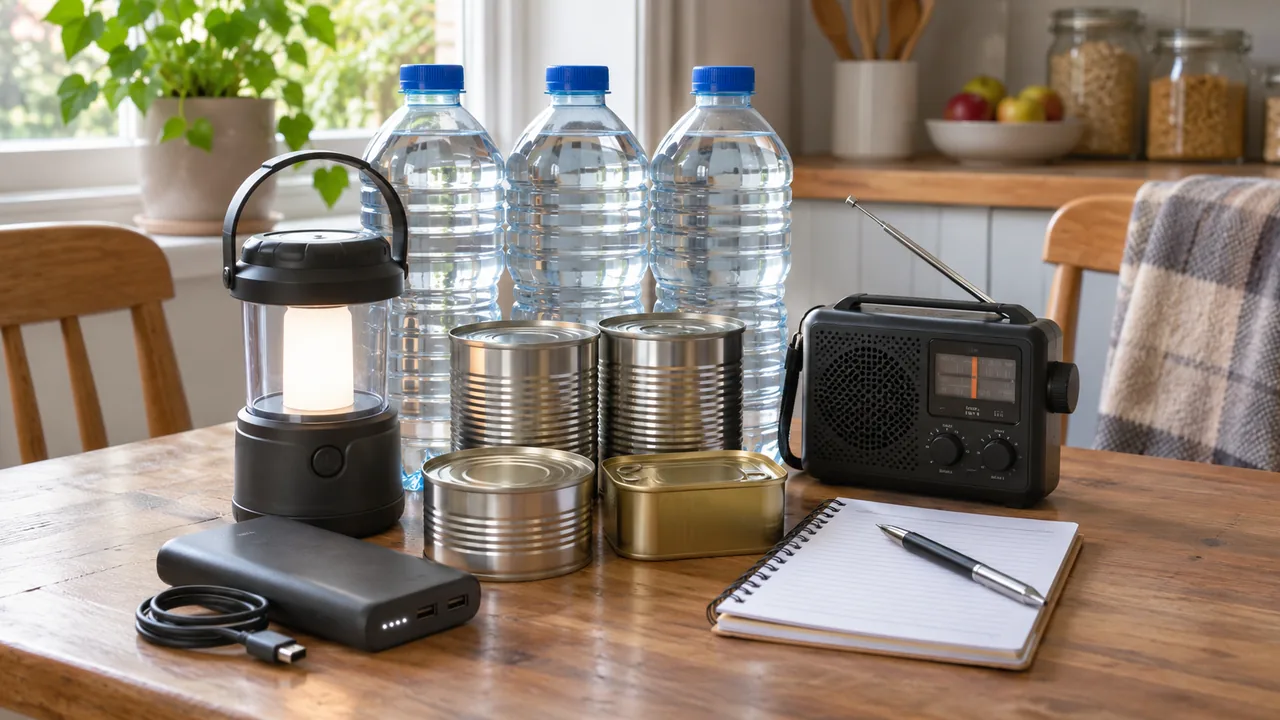
Include pets and care needs explicitly
Pets need their own safe water allowance based on their usual needs, size, diet and veterinary advice where relevant. Do not count the water left in a bowl as a dependable three-day supply. Consider how you will transport water with the pet if you must leave home.
Some treatment and equipment arrangements depend on water of a particular quality. Ask the care team or equipment supplier what is required and what to do if the mains supply stops or a water-quality notice is issued. A general household recommendation does not replace device-specific instructions.
Plan for help with collection too. A person may have enough storage space but be unable to carry water from a distribution point. Discuss accessible support with the provider and register relevant needs through its appropriate service arrangements. Keep a second contact route if the usual phone or internet service is unavailable.
Understand why guidance can show different quantities
You may see a UK drinking-water figure alongside an American recommendation of a gallon per person per day. Check what each includes before assuming one is wrong. The CDC describes its emergency allowance in relation to drinking, cooking, brushing teeth and other uses, while the UK checklist identifies a drinking baseline and says additional water is needed for other tasks.
Climate, activity, health and household circumstances also affect planning. A hot home, illness or particular care requirement can change what is sensible to store. Use the guidance that applies to your location and ask a professional about individual health needs rather than choosing the smallest number from a search result.
For your own records, write the assumption beside the calculation. A note saying '36 litres for four people's drinking over three days, plus separate additional needs' is clearer than 'water: 36 litres'. It prevents a useful baseline being mistaken for the entire water budget.
Choose storage you can actually use
Unopened commercially bottled water is a straightforward option because it comes in a sealed food container with storage information. Follow the label and keep packaging intact. If you fill your own containers, use suitable food-grade storage and current public-health guidance for cleaning, filling and rotation.
Never reuse containers that held chemicals, fuel or pesticides. A container looking clean does not prove it is suitable for drinking water. Check the manufacturer's information if you are uncertain about the material or its intended use.
Think about opening, pouring and carrying. A large container may offer convenient capacity but be difficult to move. Several smaller bottles can make access easier and reduce the consequences of one container becoming damaged. Try the arrangement with the people who will use it, particularly anyone with limited strength or dexterity.
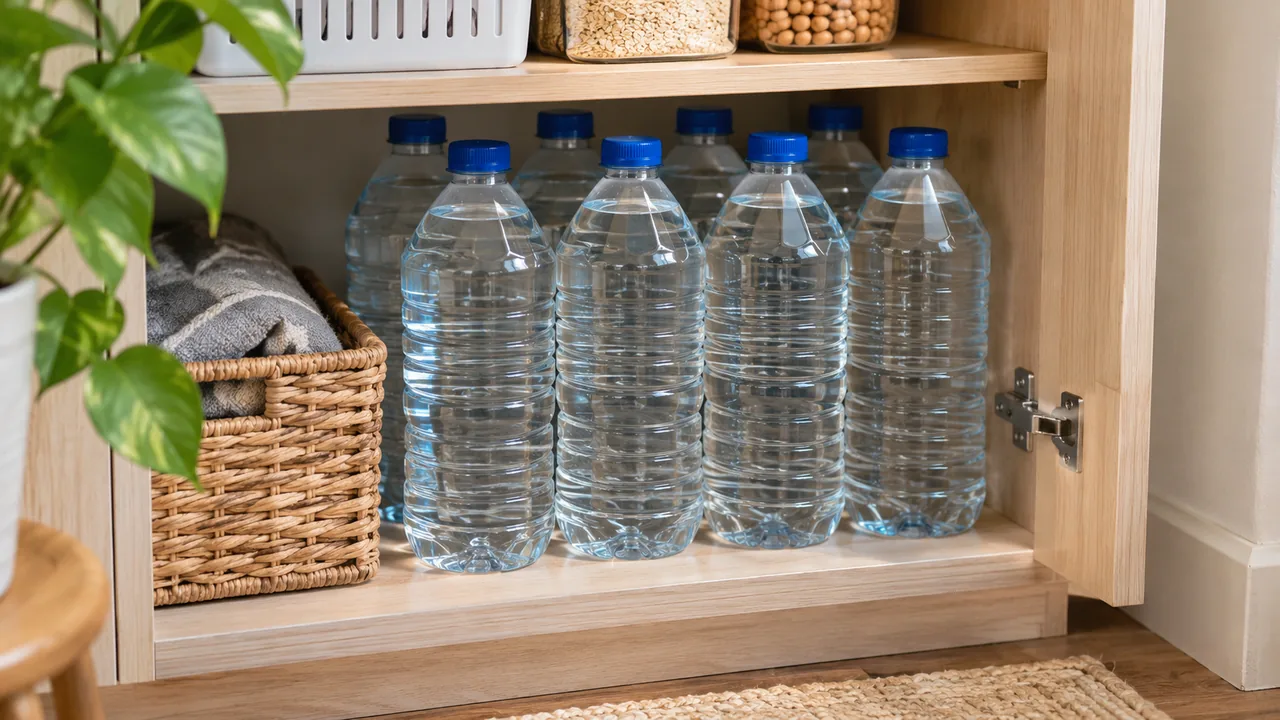
Find sensible storage space in a small home
Start with the available weight-bearing storage, rather than the idea of one enormous emergency cupboard. Water is heavy: a litre weighs approximately a kilogram before packaging. Do not overload a shelf or place a large store where it could fall, block an exit or become difficult to retrieve.
Keep supplies away from chemicals, excessive heat and direct sunlight, following the container and product instructions. A dry, accessible location inside the home may be more practical than a hot shed. If flooding is a local risk, think about whether the storage location would remain usable.
Split the supply sensibly if space is limited. For example, some bottles can be stored in a suitable kitchen cupboard and others in another safe place. Keep a location and quantity note so that the household knows the total. Avoid scattering supplies so widely that nobody can find them when needed.
Build a rotation routine instead of a forgotten stockpile
Use a clear system for dates and replacement. Follow commercially bottled water's label instructions. For water you store yourself, use the relevant public-health and container guidance; the CDC advises replacing home-filled stored water every six months. Keep the filling date visible.
Choose a review date that fits an existing household routine. Check containers for leaks, damage and missing lids, and confirm that supplies have not been borrowed without replacement. If the household count changes, update the quantity as well as the dates.
Keep the process simple enough to maintain. A short written note can be more reliable than an app that only one person uses. The important point is knowing which water is ready, which should be used or replaced and how much remains available for the intended purpose.
Make pouring and serving hygienic
Protect the clean supply after opening. Avoid touching the inside of caps or containers, and do not put unclean hands or utensils into stored drinking water. Use clean cups and a sensible serving arrangement. A suitable tap or pour spout may help if the main container is large.
Keep the serving area away from waste, pet feeding areas and dirty equipment. If several people are using the supply, explain the routine briefly rather than assuming everyone knows it. Small habits help prevent a good stored supply becoming contaminated during use.
Opened containers should be managed according to their instructions and the conditions in your home. If you are uncertain about the safety of a supply, seek reliable advice and use a known-safe alternative where available. Do not rely on taste, clarity or lack of smell as proof that water is safe.
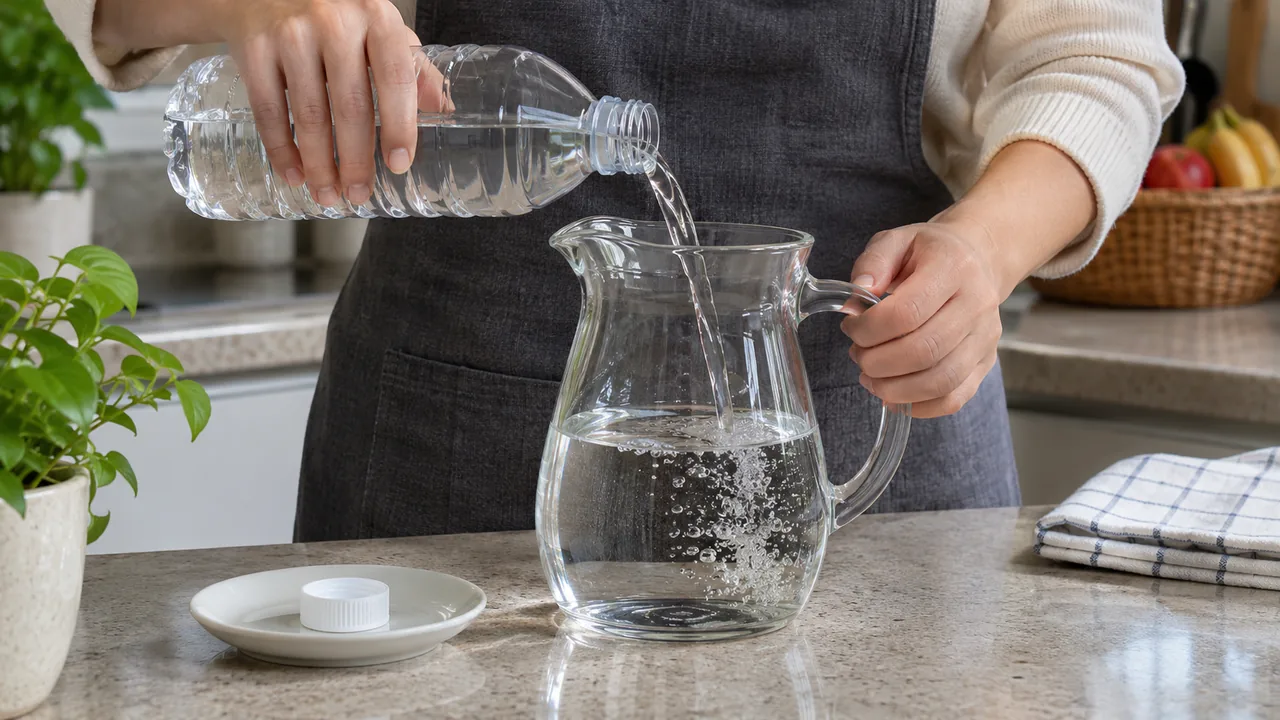
Know the difference between notices
A water outage, a boil-water notice and a do-not-drink or do-not-use notice are different situations. Read the supplier's exact wording, affected area and time. The action that helps with microbial contamination may not make chemically contaminated water safe.
Boiling can address certain biological hazards when directed by the relevant authority. It does not remove every chemical or radioactive contaminant, and it can be inappropriate for some contamination incidents. A domestic filter also has specific limits. Follow the current notice rather than applying a generic camping-water technique.
Check when the notice is lifted and whether any follow-up steps apply. A tap running again is not proof that all restrictions have ended. Keep the official update where other household members can see it, including carers or visitors who may prepare food without knowing a notice was issued.
Plan for a baby without improvising feeding
Babies need a specific feeding and hygiene plan. Ready-to-feed formula may be useful when the normal safe preparation arrangements cannot be maintained, but product storage, equipment and individual needs still matter. Discuss the plan with an appropriate health professional in advance where possible.
The NHS explains that bottled water is not normally recommended for making formula because it is not sterile and may contain unsuitable mineral levels. If an exceptional situation requires it, follow current NHS or public-health instructions in full. The words 'bottled water' alone do not make a feeding method safe.
Never dilute formula to stretch supplies, change the mixing ratio or substitute an unsuitable feed. Record what you will do if you cannot safely prepare the baby's usual feed. Put that question near the top of your household plan rather than leaving it until water or electricity is already unavailable.
Work out what you could carry if you had to leave
A home water supply and an evacuation load are different. Thirty-six litres is approximately 36 kilograms of water before containers, so a four-person home allowance is not a realistic single backpack item for most people. Decide separately what can be carried safely and how further supplies will be obtained.
Distribute manageable containers according to ability and needs. Keep essential personal items in the calculation, including medical equipment and a child's supplies. Do not give children or a person with limited mobility an unrealistic load to make the numbers appear complete.
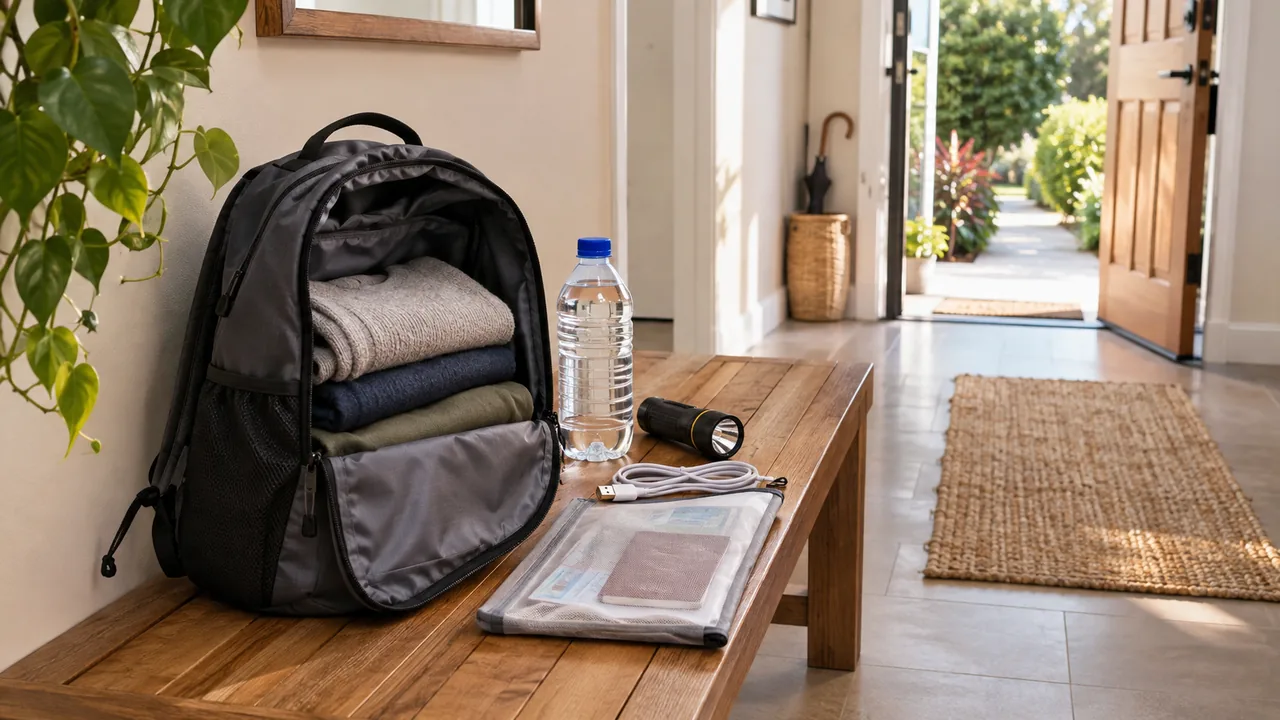
Follow evacuation instructions promptly. If immediate danger means leaving without your full supply, personal safety takes priority over collecting bottles. Your go-bag plan should help identify portable essentials and suitable destinations beforehand.
What to do when storage is not enough
If safe water is running short, contact the provider and use current information about alternative supplies. Check where collection takes place, what identification or containers are needed and whether support exists for people who cannot travel or carry water. Do not rely on an old social-media post about a distribution location.
Use known-safe drinking water for essential purposes and avoid wasting it on tasks that can be postponed. This is different from dangerously restricting necessary drinking or care. If an essential health need cannot be met, contact the care team or urgent support route appropriate to the situation.
Ask trusted neighbours about agreed assistance where safe, but do not assume they can supply your whole household. Disruption can affect everyone at once. A realistic plan combines your own manageable reserve with current provider information and practical support arrangements.
Make a water plan you can explain in a minute
Your finished plan should say who it covers, the drinking baseline used, the additional needs considered, the storage locations and the review date. Add the supplier contact route and what you will do if a notice changes how water can be used.
Test the physical arrangement. Can someone open and pour a bottle without help? Is the store accessible in darkness? Can a carer tell drinking water from non-drinking water? Have supplies been placed where they will remain protected from the hazards most relevant to your home?
You do not need a perfect answer to every possible disruption before starting. A clear quantity, safe containers and an accessible location already remove several common problems. Build the remaining arrangements gradually and review them as your household changes.
A worked water calculation for four people
Using the UK drinking baseline, four people over three days need 36 litres for drinking. If you choose manageable two-litre bottles, that would be 18 bottles. Nine of those bottles would provide only half the calculated drinking amount, so counting containers without checking their size can be misleading.
Write the quantity and purpose together on the plan. Additional cooking, hygiene, pet and clinical requirements still need their own consideration. Do not describe the 36 litres as a complete household water budget unless those other uses have genuinely been addressed through a suitable separate arrangement.
Next check the physical store. Can the shelf safely carry the load, and can the people using it reach and pour a bottle? If not, divide the supply between suitable accessible locations. Keep the total clear, and revise the calculation when the number of people or their needs changes.
Frequently asked questions
Is nine litres per person enough for three days?
It represents the UK checklist's drinking-water starting point of three litres a day. It does not cover every household use. Add separate consideration for food preparation, hygiene, pets and any medical requirement. Individual drinking needs differ, so follow professional advice for a prescribed fluid restriction or another health condition rather than treating a general planning figure as a personal instruction.
Can I store drinking water in old cleaning-product bottles?
No. Do not use containers that held chemicals, even if they have been washed and look clean. Use suitable food-grade water storage and follow cleaning, filling and rotation guidance. Keep the contents identified and protect them from contamination. A safe container is part of the water supply, rather than an optional extra.
Does clear water mean it is safe?
No. Water can look, taste or smell ordinary while containing harmful contamination. Use known-safe supplies and follow your provider's current notice. Do not test safety by drinking a small amount. Treatment depends on the hazard, and ordinary household filters or boiling do not solve every type of contamination.
Can I use the same water for pets?
Pets need a safe supply too, so include their needs in the overall plan and keep feeding areas hygienic. The amount depends on the animal and circumstances; ask a vet if a medical condition or unusual need affects the calculation. Do not treat the human drinking-water total as automatically covering every animal in the home.
What if I can store only a small quantity?
Start with safe supplies you can manage and identify the remaining gap. Use compact, accessible storage without overloading shelves or blocking exits. Find the provider's alternative-supply and support arrangements before an outage, especially if collecting water would be difficult. Build up gradually where possible, rather than choosing an unsafe container or an inaccessible location to meet a target immediately.
Sources and further reading
UK Government: water supply interruptions
CDC: creating and storing an emergency water supply