

The tap stops running just as you start an ordinary household task. Before you reach for an improvised water source, find out what the supplier is saying. A supply interruption, a boil-water notice and a do-not-use notice are different problems, with different instructions.
Start by protecting the safe drinking water you already have, checking essential needs and obtaining the current notice for your area. Keep the wording and time where other household members can see them. A useful response depends on accurate information as much as the number of bottles in a cupboard.
This guide covers practical household planning and the first decisions during a water outage. It does not replace a supplier's current instructions or specialist advice for treatment, infant feeding or equipment. If a loss of safe water creates an urgent health need, use the relevant professional or emergency support route.
Establish what the interruption actually means
Check the provider's official information using a connection you can access safely. Confirm the affected area, whether the issue concerns supply or quality and what the current instructions say. Record an estimate as an estimate; the expected return time may change as the problem is investigated.
If no wider problem is listed, consider whether the interruption may be limited to the property, but do not attempt plumbing or electrical work beyond safe ordinary checks you understand. Contact the landlord, building manager or suitable professional when appropriate.
Avoid letting a neighbour's different experience decide your action. Homes on different parts of a network can be affected differently. A tap running elsewhere does not establish that your own supply is safe, and a forwarded screenshot may refer to a different area or an earlier stage of the incident.
Read the notice before choosing a treatment
A boil-water notice addresses a particular situation and comes with instructions about relevant uses. A do-not-drink notice or do-not-use notice can require different restrictions. Do not reduce all three to 'boil it and carry on'.
Boiling does not remove every chemical or radioactive contaminant. A household filter also has specific limits. The method that helps with one hazard may be ineffective or inappropriate for another, so follow the actual notice and seek clarification if necessary.
Keep the notice available to anyone who prepares food, gives care or visits the home. A carer arriving later may not know why bottled water has been placed beside the sink. Clear communication helps prevent the normal routine quietly restarting before restrictions have ended.

Protect the drinking supply you already have
Use known-safe stored water for the purposes covered by your plan and the current advice. Keep containers sealed until needed and use clean serving arrangements. Do not contaminate the main supply by dipping unclean hands or utensils into it.
Count what is available and who depends on it. The UK drinking-water starting point is three litres per person per day, with additional needs considered separately. Use that baseline to understand the gap, while following individual medical advice where a person's requirements differ.
Do not restrict necessary drinking or treatment simply to make supplies last to an estimated restoration time. If safe water is inadequate, use the provider's alternative-supply arrangements or relevant support route. A plan should identify a need for help before the final container is empty.
Separate essential uses from tasks that can wait
Drinking, safe food preparation, hand hygiene and particular care routines may need protected supplies. Laundry, routine cleaning and other tasks may be postponed depending on the situation. Make the distinction deliberately so that the easiest habit does not use water needed for something more important.
Choose food that reduces preparation and washing where it suits the household. Suitable ready-to-eat meals and manageable portions can simplify the day. Check packaging instructions and keep food safety in mind even when you are trying to use less water.
Consider the people involved. A baby, someone receiving personal care or a person with a clinical water requirement may need a specific arrangement. Do not assume a reduced-water routine suitable for a healthy adult can be applied unchanged to everyone.
Use alternative sources only for appropriate purposes
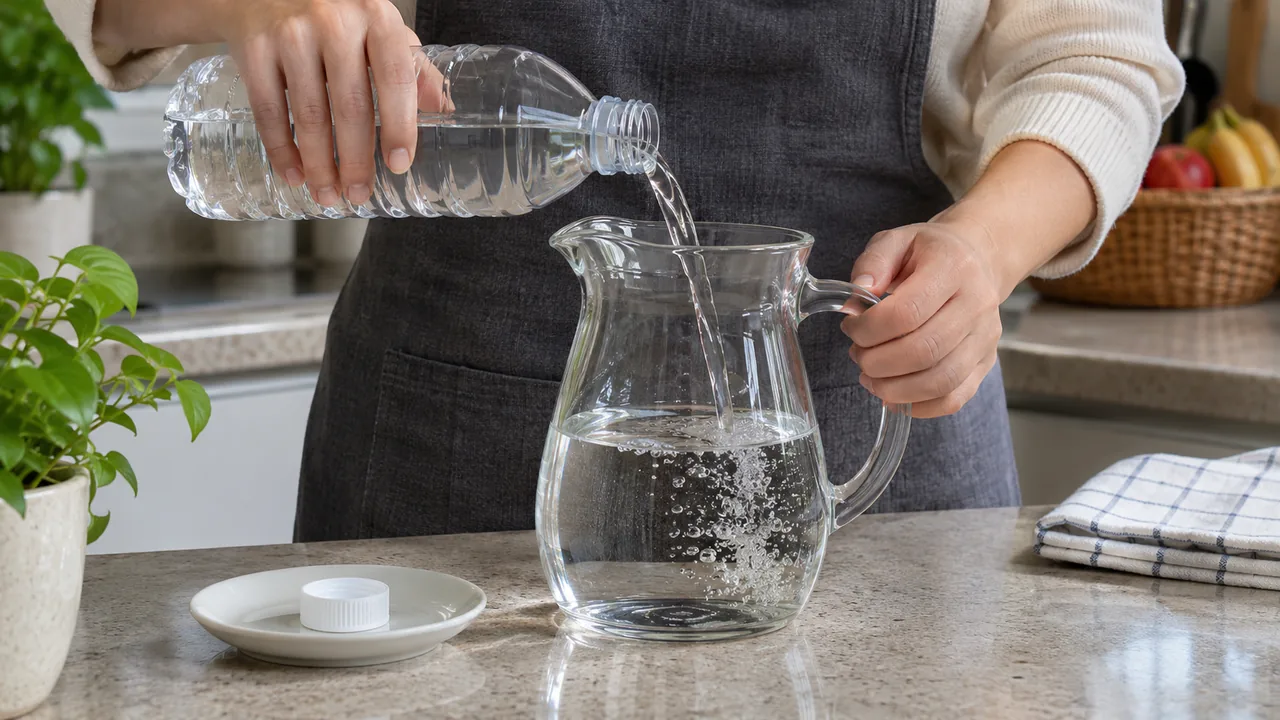
Water collected for gardening or flushing is not automatically safe for drinking, brushing teeth or food preparation. Keep it separate and clearly identified. Do not use the same unmarked container for several purposes and expect everyone to remember which supply is which.
Rainwater, floodwater and water from an unknown outdoor source can carry contamination that appearance does not reveal. A clear glass or normal smell does not prove safety. Use known-safe drinking supplies and the supplier's current advice rather than a general camping tip.
If you maintain a home-filled drinking-water reserve, follow suitable food-grade container and public-health instructions. Never use a container that held chemicals. The water quantity and storage guide explains the planning questions before an interruption occurs.
Check toilet and drainage advice separately
A drinking-water supply interruption is not the same as a sewer or flood incident. The appropriate toilet arrangements can depend on the cause, local infrastructure and current instructions. Ask the provider or relevant local authority if you are unsure what applies.
Do not assume that adding any available water to the toilet is always appropriate. A drainage problem may change what is safe or useful. Follow the instructions for the incident rather than improvising from a different type of outage.
Keep any waste arrangement hygienic, contained and away from food, children and pets. Support privacy and dignity for people needing assistance. A plan that cannot manage basic care appropriately may require additional support or a suitable alternative place to stay.
Find out how alternative supplies will be provided
Check the provider's current distribution information. Confirm the location, timing, containers needed and any access arrangements before making a difficult journey. An old post may describe a point that has moved or is no longer operating.
Ask about support if you cannot travel, queue, lift or carry water. Relevant registration arrangements can help providers understand additional needs, but you should check the actual process and contact route. Keep the details offline where useful.
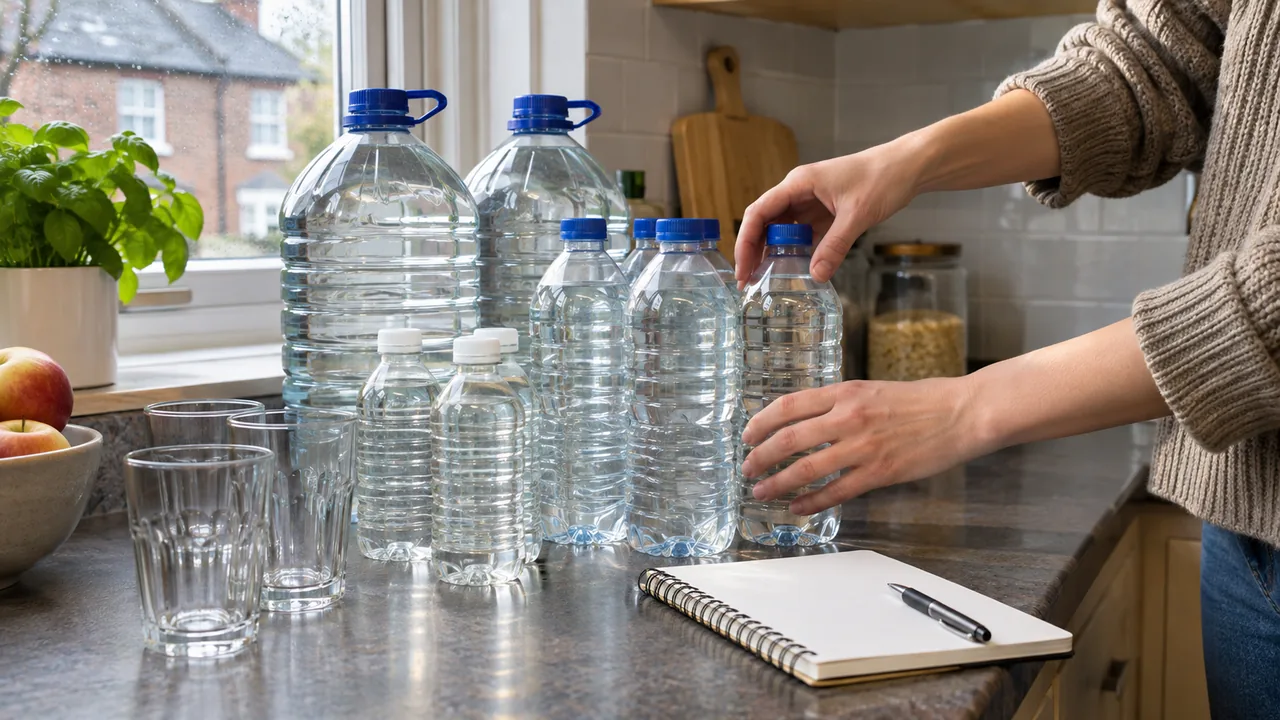
Collect a reasonable amount according to instructions and the household's needs. Plan how you will carry it without injury or blocking exits at home. Several smaller containers or agreed assistance may be more practical than one large load.
Keep health and equipment needs at the front of the plan
If equipment or treatment depends on water, follow the plan agreed with the care team and supplier. The required quality or quantity may differ from ordinary household use. A generic bottled-water suggestion does not establish that a clinical requirement can be met.
Keep relevant contacts and a concise explanation of the need available. If the outage is expected to continue, act at the agreed threshold rather than waiting until supplies are almost exhausted. A provider's general restoration estimate is not a clinical instruction.
Do not alter treatment, use an unapproved substitute or change cleaning arrangements without appropriate advice. If an essential need cannot continue safely, seek relevant support or emergency help according to the person's circumstances. Address that before less urgent household tasks.
Plan infant feeding with current guidance
Ready-to-feed formula may be useful where normal safe preparation cannot be maintained, subject to the product's instructions and individual needs. Plan feeding, equipment and cleaning together rather than focusing only on the liquid in a bottle.
The NHS explains that bottled water is not normally recommended for formula preparation because it is not sterile and may contain unsuitable mineral levels. Exceptional use during a supply disruption still requires the full relevant preparation instructions. Do not assume bottled water removes the need for safe procedure.
Never dilute feeds or change mixing ratios to stretch supplies. If the baby's usual safe feeding needs cannot be met, contact appropriate health support. Keep the approved alternative clear enough for another responsible adult to follow without improvisation.
Organise hygiene around safe methods
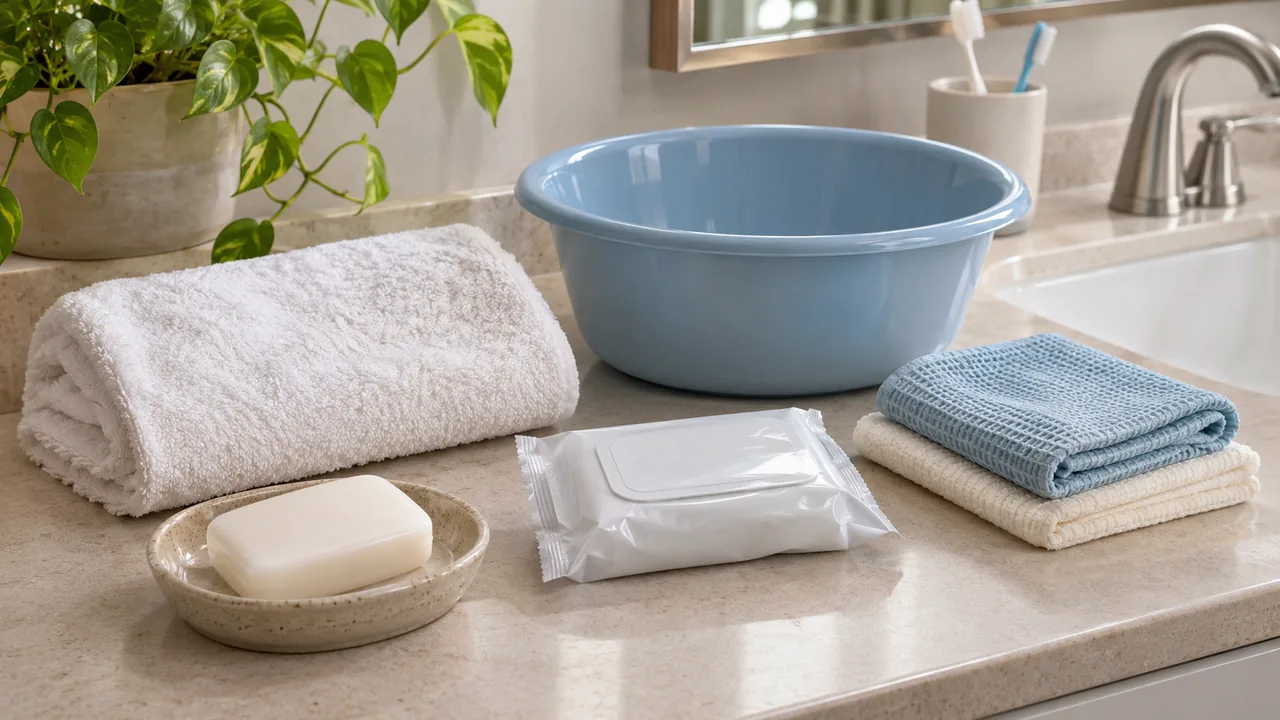
Keep the necessary supplies for essential personal care, hand cleaning and cleaning of feeding or care equipment. Use current public-health and provider advice for the water conditions you face. Do not assume hand gel and wipes replace every requirement for soap and safe water.
Separate clean and dirty equipment and keep waste away from food preparation. A clear work area and small routine can prevent confusion when the normal sink-based process is unavailable. Make the arrangement understandable to everyone using it.
Consider whether the home can continue meeting a person's care needs with the available supplies. If it cannot, seek suitable support or alternative accommodation through the appropriate route. Basic dignity and safe care matter as much as the drinking-water calculation.
Keep the household informed without constant checking
Choose one reliable update route and a sensible check-in interval. Record important changes, including restrictions and alternative supplies. If several adults are acting independently, make sure they are not working from different versions of the notice.
Use a concise paper note near the relevant supplies. It might state the current restriction, the official source and the time last checked. Protect personal account information and avoid putting private details on a notice visible to casual visitors.
Be cautious about unexpected messages asking for payment or account security information to restore supply or provide water. Contact the provider independently through its verified route. An urgent situation does not make an unsolicited link trustworthy.
Reassess if the interruption continues
Compare actual use with remaining supplies and consider the next day early. The original plan may have assumed a short outage, but conditions and estimates can change. Arrange additional support before essential needs become urgent.
If you are considering moving elsewhere, confirm that the destination has a suitable safe supply, access and facilities. A nearby address may be affected by the same incident. Check the journey and any care or pet arrangements before treating relocation as a complete solution.
Follow official instructions if a wider emergency changes the situation. Flooding or a damaged building can require a different response from a straightforward pipe repair. Keep the plan responsive to the hazard rather than continuing a routine that no longer fits.
Wait for the official end of restrictions
Water returning to the tap does not necessarily mean a quality notice has been lifted. Check the current provider update and follow any instructions about use, flushing or equipment. Do not apply a generic restoration procedure to a notice that says something different.
Tell everyone who may use the kitchen or provide care when the official advice changes. Remove or update the old household note so that it does not create confusion later. Keep a record if it helps explain storage or treatment decisions to a professional.
Replenish safe stored supplies when practical and review what was most difficult. A more accessible bottle size, clearer provider contact or better infant-feeding plan may be the most useful improvement. The experience can make the next interruption easier without requiring a complicated new system.
Keep a useful first-day water note
Imagine a supply interruption begins after breakfast. The household first checks the provider's current notice and records whether it concerns quantity, quality or both. It counts known-safe stored water and identifies the people, pets and essential care needs depending on it. Nobody assumes that a clear-looking tap supply is permitted for every use.
The note can stay simple: current instruction, time checked, remaining known-safe supply and the next contact or collection action. It does not need to track every drink. Its purpose is to notice an emerging gap before an essential need becomes urgent and to keep household members working from the same information.
If someone collects additional water, record where it came from and its intended use. Keep drinking and non-drinking supplies clearly separate. Do not pour an unknown source into a labelled drinking container and expect the label to establish safety. Protect the clean supply during handling and follow the instructions that apply to that source.
Later, a carer or another adult may arrive. Show them the current notice and the arrangement rather than saying only that 'the water is off'. They need to know what can be used for feeding, washing or care, and which question requires the provider or a health professional. Keep sensitive account and clinical information secure while sharing the practical instruction.
At the next review, compare the actual situation with the original estimate. If supply restoration is delayed, confirm distribution or support before the remaining reserve becomes inadequate. If the tap starts running, check whether restrictions remain. Neither event should be guessed from an old message.
After the notice is officially lifted, follow any relevant restoration instruction and tell the people who use the kitchen or provide care. Remove the old household restriction note so that it does not create confusion later, but keep useful information about the incident where it supports a professional follow-up.
This example shows how a small written record can help without making the day revolve around paperwork. The physical supply, safe handling, accurate notice and practical support work together. A large reserve with unclear instructions can be less usable than a smaller well-understood arrangement with an appropriate route to additional safe water.
When normal service is restored, replenish the reserve gradually and fix the specific difficulty you noticed. Accessible container sizes, a correct provider number or a clearer handover may make the next interruption substantially easier.
Frequently asked questions
Should I boil all water during an outage?
Follow the actual provider notice. A loss of supply, boil-water notice and do-not-use restriction are different situations. Boiling can address certain biological hazards when directed, but it does not remove every chemical or radioactive contaminant. Do not choose treatment from a general rule when the current notice gives specific instructions.
Can I drink water once the tap starts running again?
Not until you know the current advice allows it. Supply restoration and the end of a water-quality restriction may occur at different times. Check the provider's official update and follow any relevant restoration instructions. Make sure carers and other household members know which version of the advice is current.
How do I obtain water if I cannot carry it?
Contact the supplier about appropriate support and access arrangements, preferably before an incident. During an outage, use the current contact route and explain the practical need. Relevant support registration may help, but confirm what actually applies. Trusted assistance can be useful where safe, with a backup if the usual helper is unavailable.
Can I use rainwater for drinking after filtering it?
Do not assume that a general filter makes it safe. Alternative sources can contain different contaminants, and treatment has specific limits. Use known-safe supplies and follow the provider's or public-health authority's instructions. Keep water intended for gardening, cleaning or flushing clearly separate from drinking water to prevent accidental use.
What is the most useful preparation before an outage?
Keep a manageable safe reserve, know the provider's contact route and understand your household's essential needs. Plan for medical equipment, baby feeding and collecting water if those apply. Use safe containers and a regular review routine. The most useful arrangement is one the household can actually access and maintain, not simply the largest quantity stored.
Sources and further reading
UK Government: water interruptions