

If you can buy only one thing for a power cut, should it be a torch, a wind-up radio or a power bank? The answer depends on which problem you cannot already solve. A radio provides information, a torch gives light and a power bank stores energy for compatible devices. None fully replaces the others.
Start by checking what works in your home tonight. If you already have reliable battery lighting but no way to charge a phone, another torch may add less value than a suitable power bank. If the only route to news is home broadband, a radio may fill a different gap. Your first purchase should fix a real weakness.
This guide compares the jobs those supplies do, the checks that matter and the extras you can usually consider later. It is a practical buying framework, rather than a ranking of brands or a promise that a particular gadget will keep every household connected.
Compare functions before comparing products
Write three headings on a page: light, information and portable power. Under each, list what you already own and whether it works without mains electricity. Include the cable, batteries or charger needed to make it useful. A product in a drawer may not be a complete working arrangement.
Then add any essential need outside those headings. A powered medical device, water-dependent treatment or access problem should have its own professional backup plan. Do not choose an emergency radio because it claims to charge phones and assume that its small battery also solves a clinical equipment requirement.
For each gap, ask how long you need the function and who will use it. A torch that is easy for one person to operate may be difficult for another. A radio with tiny controls may be unsuitable for a person with limited dexterity. Suitability is part of value, even when two products have similar specifications.
A torch solves the first problem: seeing safely
Reliable light helps you move through the home, find medication, care for children and use the bathroom. It is often the quickest useful improvement because a power cut can make familiar rooms awkward within seconds. Place a working light where it can be reached before anyone has to cross darkness.
A handheld torch provides a focused beam. A head torch leaves both hands free. A battery lantern spreads light around a shared space. You may eventually want more than one type, but begin with the task you need to perform and the person using it.
Check ordinary details: the switch should be easy to find, the light should stand or clip safely where needed, and the battery type should be manageable. Brighter is not always more useful. An intense beam can dazzle another person and use energy faster than a suitable lower setting.
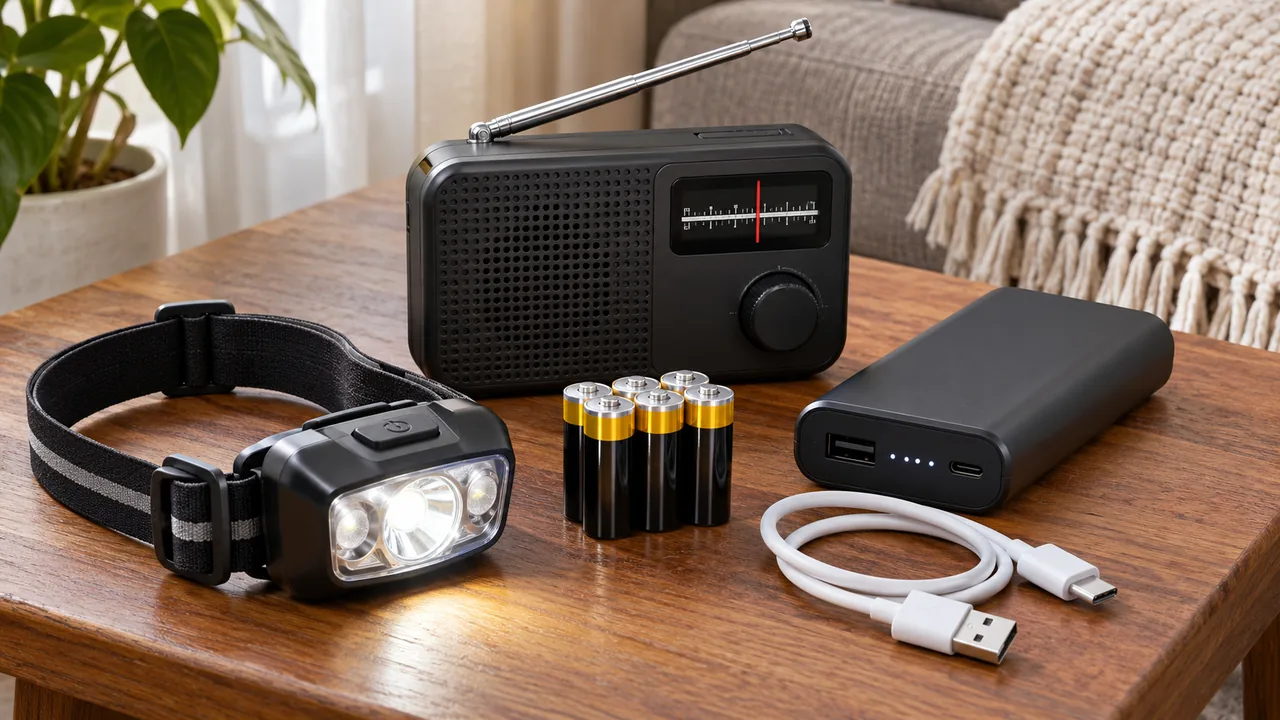
Torch runtime matters more than a headline brightness figure
Manufacturers measure and describe runtime under particular conditions. Read what the stated number means and which brightness setting it uses. A lamp may remain faintly lit long after it stops being useful for the task you have in mind. Your own safe test can help you understand the controls and practical performance.
If a torch uses replaceable batteries, keep the correct size and follow storage instructions. Do not mix incompatible types or use damaged cells. If it is rechargeable, decide when you will top it up and where the cable will live. A sealed rechargeable light can be convenient but still depends on a maintenance routine.
Think about more than one person needing light. Sharing a single torch becomes inconvenient when somebody needs the bathroom while another person is preparing food. A modest second light in a sensible location may improve the plan more than upgrading the first one to a powerful specialist model.
A radio gives you another route to information
A battery or wind-up radio receives broadcasts without needing your home router. That makes it useful when internet access is interrupted, provided a suitable station is broadcasting and you can receive it. It can carry local news and official information, but it does not create an independent emergency communication network of its own.
Check which bands and modes the model receives. FM, AM and DAB are different features, and availability varies by location and equipment. Tune the radio in the room where you intend to use it. Write down a station you can receive, rather than assuming the automatic scan will find the right one under pressure.
A clear speaker, understandable controls and accessible tuning can matter more than decorative extra functions. Ask the intended user to try it. If they need written or visual information because of hearing loss, a radio should sit alongside a plan for accessible updates rather than becoming the only route.
What a wind-up handle can and cannot do
A wind-up mechanism converts physical effort into electrical energy, often storing it in an internal battery. That can provide another way to operate the radio, but output and usable listening time depend on the model, battery condition and winding instructions. Check the manufacturer's claims carefully and test the device as directed.
Do not assume that a short period of winding will fully charge a modern smartphone. A combined radio and USB socket may provide only limited useful phone charging. Treat that as a feature to verify, rather than the basis of your whole communication plan.
Consider whether winding is comfortable for the people in your household. A person with hand pain, weakness or limited mobility may find replaceable batteries or an approved rechargeable arrangement easier. A useful emergency supply should reduce dependence on help, not create a difficult physical task nobody has tried.
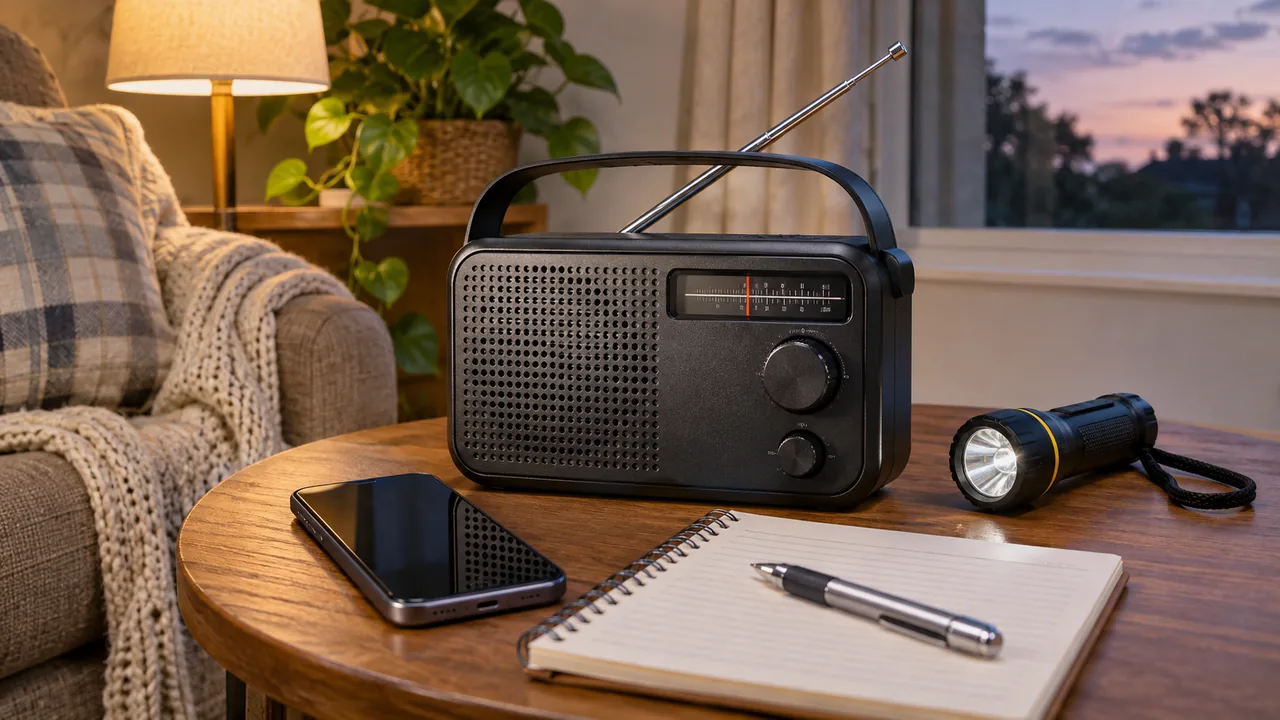
A power bank keeps compatible devices usable for longer
A power bank stores energy for devices such as phones, lights and some small electronic equipment. It does not restore mobile coverage, repair a broadband outage or provide unlimited charging. Start with the devices you actually need and check the connection and power requirements for each.
The cable matters. A familiar-looking socket does not guarantee every charging mode or output. Check the power bank's supported outputs and the device manufacturer's requirements. Test the combination before an outage, using a genuine or suitable compliant cable in good condition.
Keep the power bank charged according to its instructions and store it away from extreme heat, moisture and physical damage. Stop using a battery that is swollen, damaged or behaving abnormally. Do not leave a charging arrangement buried under bedding or where it could be knocked into water.
Understand capacity without being distracted by large numbers
Power banks often advertise capacity in milliamp-hours, or mAh. The number is measured at a specified voltage and cannot be compared directly with every device's battery capacity without accounting for voltage conversion and losses. A claim that two printed numbers divide into a certain number of phone charges may therefore be misleading.
Watt-hours describe energy and can make comparisons clearer when the manufacturer provides the relevant information. Even then, real output depends on conversion efficiency, temperature, battery age and how the device is used while charging. Treat runtime and charge-count figures as estimates under stated conditions.
For ordinary planning, a sensible test is often more useful than a complicated spreadsheet. Charge your usual phone from a known starting level, note the result and see how the power bank behaves. Do not perform discharge experiments on essential medical equipment; use its supplier's approved testing and backup arrangements.
Combination gadgets save space, but share a weak point
A radio with a torch, solar panel and phone-charging socket can be convenient. It may also leave several useful functions dependent on one battery, one charging cable and one device. If it fails or is misplaced, you can lose light and information together.
Look at each function individually. Is the lamp positioned where it helps? Is the speaker audible? Can you charge the phone at a useful rate? Is the solar panel large enough for the claims being made under realistic conditions? An impressive feature list is not the same as good performance in each role.
You do not need to avoid combination products entirely. Use them with clear expectations and consider a simple independent backup for an important function. A small second torch may be a more practical addition than buying another complex gadget with the same limitations.
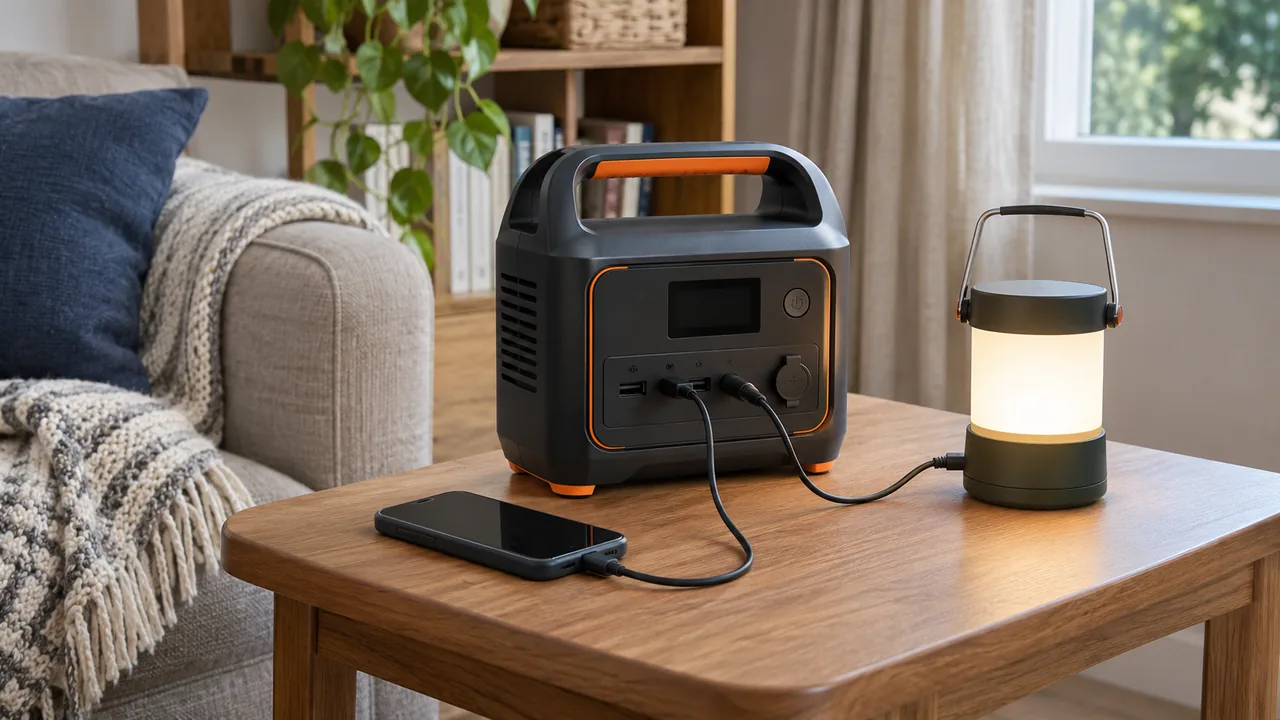
Set a buying order that fits your actual gaps
If you have no safe battery lighting, begin there. If lighting is covered but essential phone charging is not, investigate a suitable power bank. If your information plan relies entirely on internet access, consider a usable radio. This sequence is a framework, not a rule that overrides medical or accessibility needs.
Before buying, include the full cost of use. A low-cost item may need batteries, a separate charger or a cable you do not own. A more expensive item may still be poor value if nobody can operate it comfortably. Compare the complete working setup rather than the price on the first page of the listing.
Avoid buying several versions in one hurried session. Choose one gap, make the arrangement work and then move to the next. That makes it easier to learn what is useful and prevents a cupboard of partly compatible equipment from becoming a substitute for preparedness.
Make a small test routine part of ownership
Once you buy or locate a useful item, practise the task it is meant to support. Use the torch to find the bathroom safely, tune the radio to a local station and connect the power bank to the correct device. Check the instructions in good light and keep them where they are easy to find.
Repeat a simple check at a sensible interval and after the equipment is used. Batteries get borrowed, switches get left on and cables migrate between rooms. A short physical check is more dependable than remembering that the kit was complete several months ago.
Record only what helps: location, battery type, charging method and any important limitation. You do not need a technical manual written from scratch. A clear note saying which cable belongs with which device can solve the problem that actually delays someone during an outage.
Think about access, not just ownership
Keep equipment at a suitable height and in places that remain reachable if a lift, electric door or main light is unavailable. A person living alone may need a light within reach of the bed or chair. Someone with sight loss may benefit from a consistent storage position and familiar controls.
Discuss the arrangement with the person who will use it. Do not assume a heavy-duty product is automatically easier to hold or that tiny multifunction controls are acceptable because the device is compact. Let practical use guide the decision.
For a shared household, make sure more than one person knows the setup. The person who enjoys researching equipment may be away when it is needed. A straightforward device with clear instructions often serves the family better than specialist equipment that only one person understands.
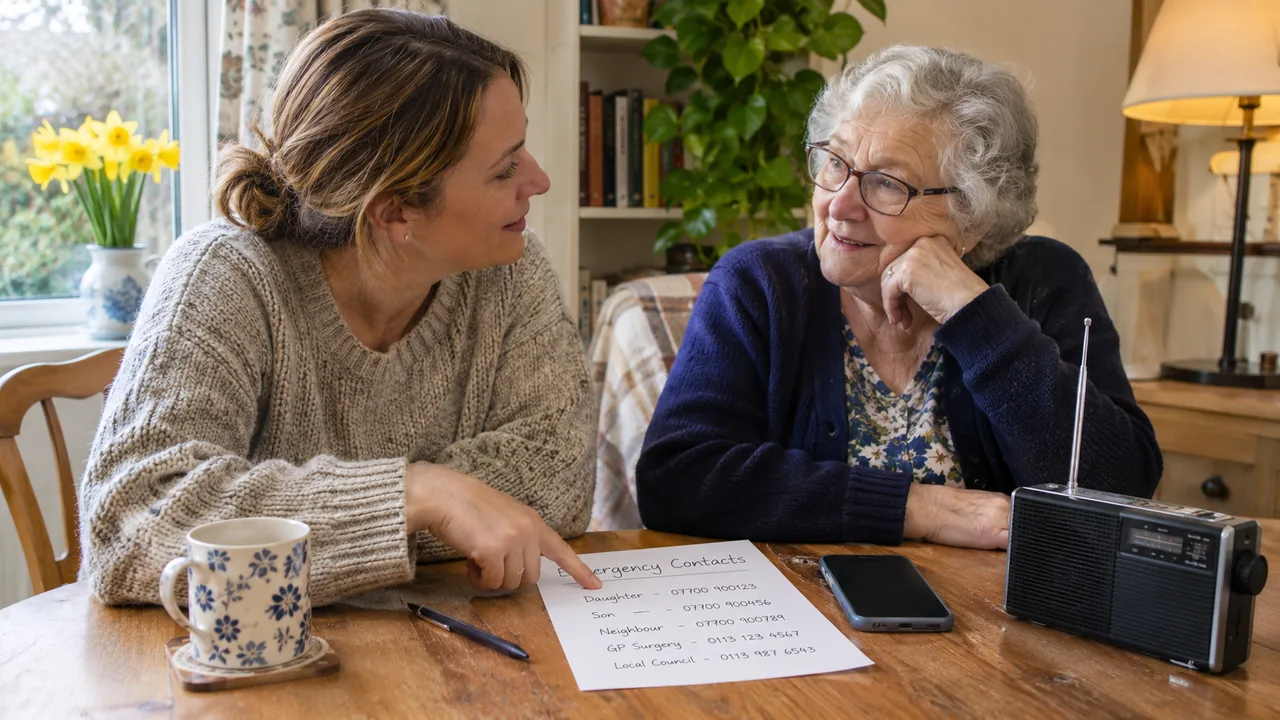
What can usually wait until the basics work
Specialist lantern systems, large backup batteries and extensive solar equipment can be useful for particular needs. They are usually easier to assess after you know which essential functions remain uncovered. Buying them first can consume the budget needed for water, familiar food and a working everyday light.
Be cautious about products sold through alarming claims or guaranteed disaster predictions. Ask which ordinary problem the item solves, what its measurable limits are and whether you can use it safely. If the seller cannot explain the specification clearly, look for better information before purchasing.
You may discover that the next improvement is not a product at all. Paper contacts, an agreed family check-in, knowledge of local updates and a safe alternative place to stay can fill gaps that no radio or power bank can solve alone.
Put the three functions together
Imagine a winter evening with no mains power. A torch makes movement safe. A radio provides another chance to hear useful information. A power bank keeps a compatible phone available for messages and calls if the network works. Each item earns its place through a distinct role.
Now check the supporting details: batteries, cable, reception, storage and the person using each device. Those details turn three products into a working arrangement. You can then add the rest of your 72-hour home kit around the functions you have already made dependable.
The useful question is not which gadget is universally best. It is which missing function you can solve next, within your budget, using equipment your household can confidently operate. Answer that, and the shopping decision becomes much clearer.
Try a comparison before buying
Place the equipment you already own together and complete three ordinary tasks: light a safe route, receive a usable broadcast and charge the intended phone. Note the missing accessory or difficult control for each task.
That small exercise may reveal a clearer purchase than a product ranking. A compatible cable, suitable batteries or an easier switch can solve the real gap. If every basic function works, keep maintaining the arrangement and use the budget for another household need rather than buying a duplicate simply because it is advertised for emergencies.
Frequently asked questions
Can a wind-up radio replace a power bank?
Only if its charging output genuinely meets the needs of the device you want to support, and you have tested the arrangement as directed. Many radio charging features are limited. Treat a wind-up radio primarily as a way to receive broadcasts, and assess phone charging separately. Do not rely on a small combined gadget for essential medical equipment without explicit supplier approval.
Should I buy the brightest torch available?
Choose a light that suits the job, controls and runtime you need. Maximum brightness can drain batteries faster and may be uncomfortable in a small shared room. A lower setting, stable lantern or hands-free head torch may be more useful. Check the manufacturer's runtime conditions and try the controls before making brightness the deciding feature.
Will a power bank make my internet work again?
A power bank can charge compatible equipment, but it cannot repair an external network fault. A router also needs an appropriate power supply and a working connection beyond your home. Do not connect an improvised adapter simply because a plug appears to fit. Ask the equipment supplier about compatible backup if broadband or a digital landline is essential.
Are rechargeable devices better than replaceable-battery devices?
Each has advantages. Rechargeable equipment needs a charging routine and suitable energy source. Replaceable-battery equipment needs the correct stored batteries and a way to keep them in good condition. Choose according to your use, accessibility and ability to maintain the setup. A combination of familiar approaches may be more useful than choosing every item on one principle.
What should I buy first if money is very limited?
Start with the most important function your household cannot already provide safely. Check existing supplies before buying anything, and give medical and accessibility needs their own priority. A working light, paper contacts and a realistic food and water plan may matter more than an expensive multifunction device. Add equipment gradually and test each purchase before moving to the next gap.
Sources and further reading
UK Government: household preparedness supplies