
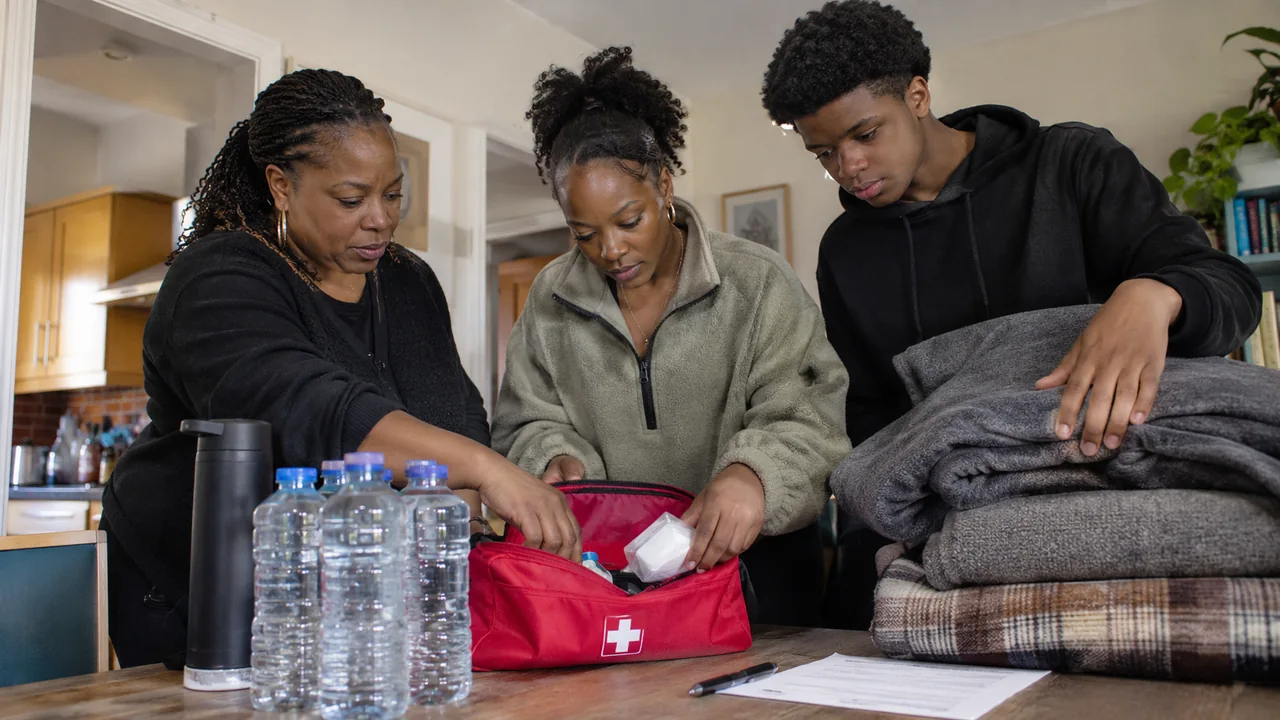
The emergency number does not connect, the nearby service point is closed and your family still needs water, shelter and care. Family survival without emergency services begins with preventing the next avoidable injury and keeping a small set of essential functions working. No household can replace a hospital, fire brigade and rescue service through confidence alone.
Make the current location safer, check each person's immediate needs and organise practical support through trusted people. Use existing medical and care plans, suitable first-aid skills and any credible clinical capacity that remains. Do not turn a general survival guide into permission for untrained treatment, dangerous repairs or confrontation.
A catastrophic scenario changes the resources available, but it does not change what the body needs or make unsafe methods reliable. Protecting children and dependent relatives requires a sustainable routine, shared responsibility and honest recognition of the tasks that still need specialist help.
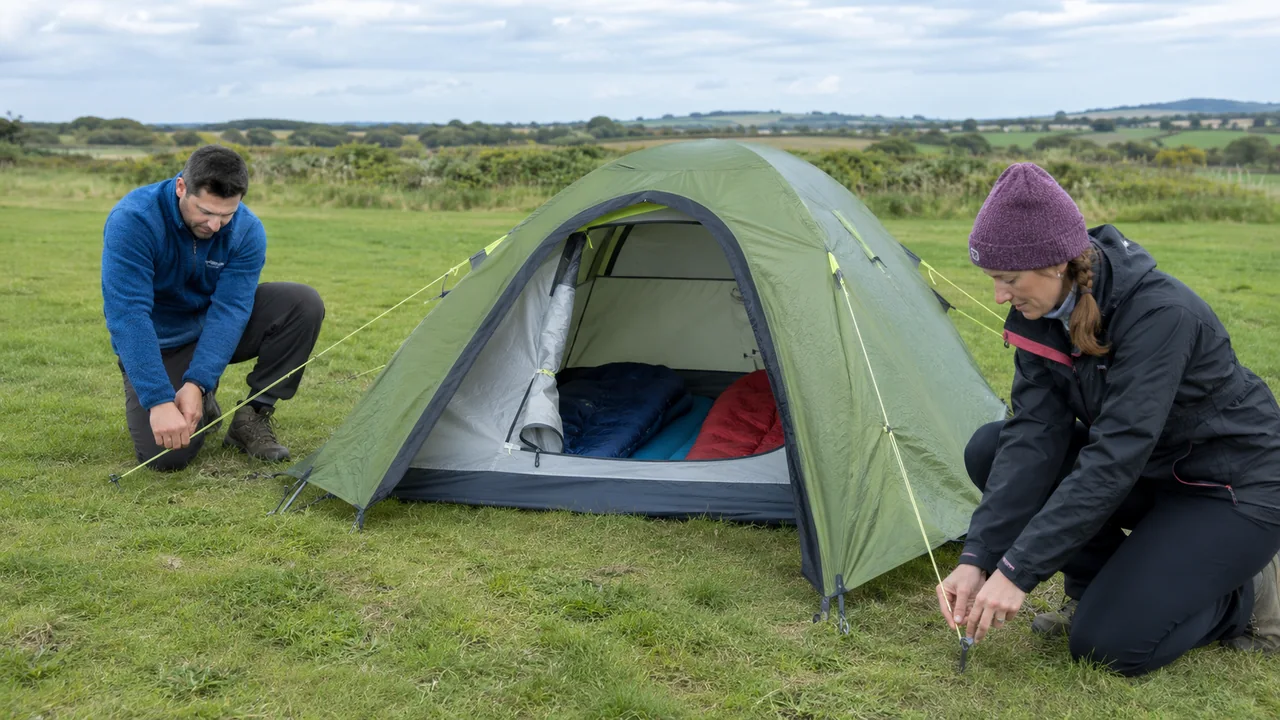
Establish a safe place before organising supplies
Check the building and surroundings for fire, structural damage, floodwater, unsafe electricity and other immediate hazards. Move people away from danger through a usable route. Do not spend the first period collecting possessions while the shelter itself is becoming unsafe.
A suitable place must also support temperature, water, sanitation and necessary care. A sound room may remain unusable for a person who cannot reach it or whose essential equipment has stopped. Review the needs of the least independent person early.
Use the guide to staying or evacuating to compare the present place, route and confirmed destination. A distant promise of help does not establish a safe journey. Where no fully satisfactory option exists, reduce the hazards you can identify and preserve the people and equipment needed to keep improving the arrangement.
Assess immediate illness and injury within your abilities
Check whether someone is unresponsive, breathing abnormally, bleeding severely or showing another immediate danger. Seek emergency or qualified medical help through any functioning route. Services being unavailable at the first attempt does not mean every possible source of competent assistance has disappeared.
Use current first-aid guidance and training. The St John Ambulance primary-survey advice provides a structured starting point, while its severe-bleeding guidance explains an urgent first-aid priority. Do not attempt invasive procedures or improvised medication because the situation is frightening.
Record what happened, the person's condition, care already given and any instructions received. This helps another trained person understand the situation if contact is established. A factual record is useful; a confident household diagnosis can hide uncertainty and delay the appropriate help.
Prevent injuries that would be difficult to treat
Keep exits clear, use suitable lighting and stop using damaged equipment. Avoid unnecessary work at height, unstable loads and unfamiliar tools. The lack of a repair service makes caution more valuable, because a preventable fall or burn may remove the household's main carer.
Keep outdoor stoves, barbecues and generators outdoors in their approved arrangements. Check smoke and carbon monoxide alarms where available and preserve suitable ventilation for installed appliances. An improvised heat source can incapacitate several people in the same room before anyone can seek help.
Use only safe, competent methods for maintenance. A failing essential function may require another arrangement rather than a risky repair. The guide to electrical fire prevention explains why bypassing protection or improvising a generator connection can destroy the shelter and injure people who were otherwise coping with the crisis.
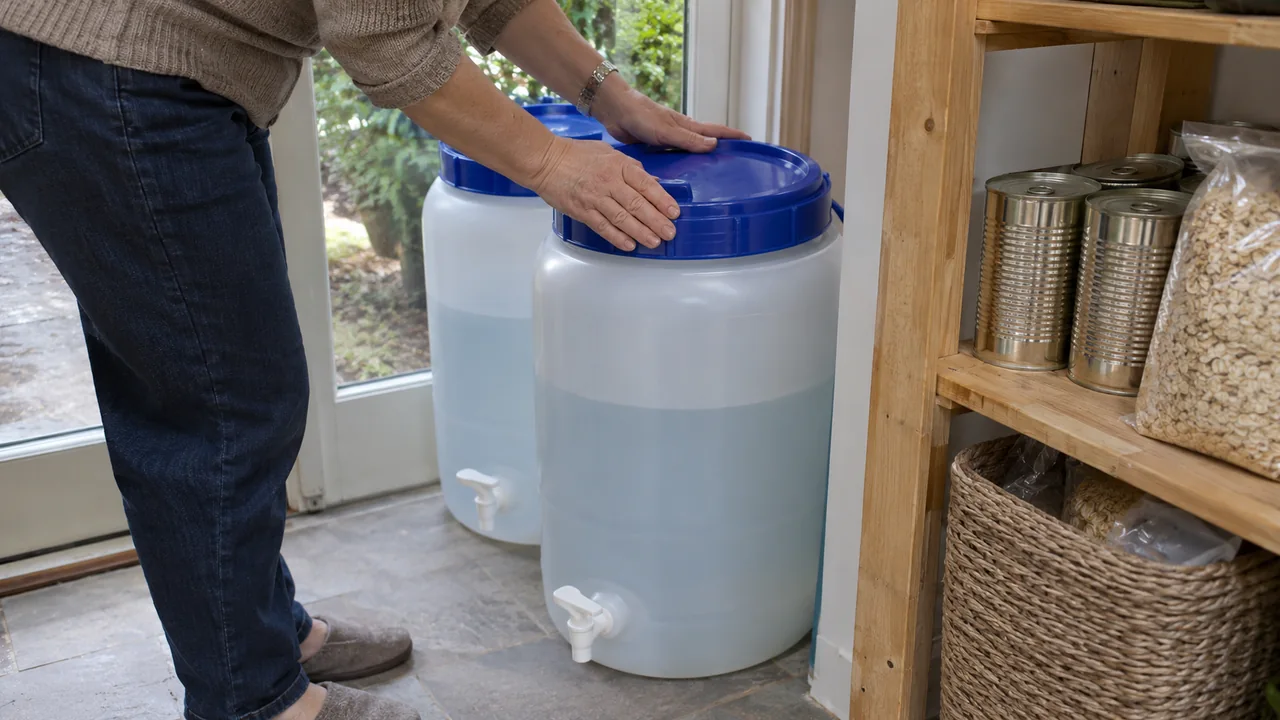
Protect drinking water as a shared system
Identify the safest available supply and keep it protected through collection, transport, storage and dispensing. Use suitable clean containers with lids, and prevent hands or dirty cups entering the reserve. Keep waste and chemicals away from the source and handling area.
The CDC's emergency-water guidance distinguishes treatment of germs from chemical or radioactive contamination. Do not assume boiling, tablets or a household filter remove every hazard. Use the method appropriate to the source and product, and seek a different supply when its safety cannot be established.
Count actual needs and resupply capacity without forcing people into an inadequate fixed ration. Health conditions, heat, work, infants and care tasks matter. The article on safe water and food after supply collapse develops the longer system. A protected source that can be maintained is more useful than a large uncertain container whose contents nobody can confidently use.
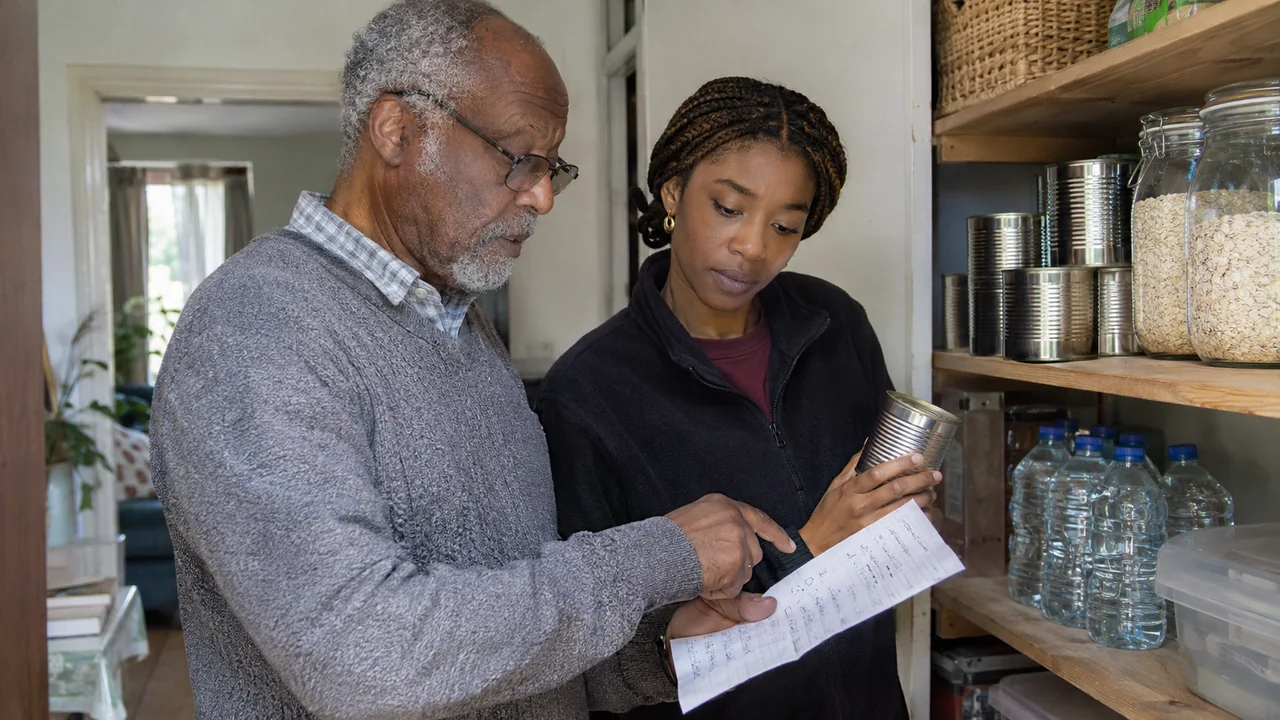
Make food usable rather than merely available
List food that can be stored, prepared and eaten safely with the water and fuel remaining. Account for allergies, infant feeding, swallowing difficulties and clinical diets. A supply that the household cannot safely consume is not a complete food reserve.
Use manageable portions and appropriate storage. Do not eat uncertain high-risk food to avoid waste or assume reheating makes every spoiled product safe. Protect food from floodwater, rodents and dirty handling. Keep preparation separate from waste and personal-care tasks.
The guide to food and water shortages helps organise immediate access, while the article on food preservation without refrigeration explains the limits of longer storage. Do not replace a failing supply chain with unsafe canning, unknown wild foods or an unverified fermentation process. A preventable illness can consume both the food system and the people maintaining it.
Keep essential clinical care connected to the existing plan
Find medicine lists, care instructions, device manuals and relevant contacts. Confirm what has already been given or done before another helper takes over. Do not double doses, share medicines or change treatment to match the supplies that seem easiest to obtain.
For equipment needing electricity, water or other inputs, use the approved backup arrangement and seek help before it fails. Do not alter oxygen flow, feeding systems or other clinical settings based on a general guide. A device's apparent operation does not prove that an improvised connection is suitable.
The article on bedbound care when services stop explains how handling, skin care, feeding and power can combine. The absence of ordinary support does not erase those needs. Preserve privacy and consent, and keep searching for qualified help or a suitable care location when the household cannot safely provide what is required.
Maintain sanitation before disease spreads
Keep human waste securely separated from drinking water, food and the main occupied area. Use a suitable toilet arrangement with a workable route for cleaning, emptying and final management. A lidded container does not complete treatment or remove responsibility for its contents.
Set up effective handwashing and separate clean supplies from used cloths, waste containers and contaminated footwear. The UK Chief Medical Officers' sanitation guidance addresses the public-health importance of those boundaries during service failure.
Do not empty waste into a watercourse, street drain or an area that threatens another household. Shared survival depends on source protection beyond the individual home. A family may appear to solve its own toilet problem while contaminating the water on which several neighbours depend. Coordinate a suitable local arrangement instead of shifting the hazard out of sight.
Keep people warm or cool enough to function
Check the condition of children, older adults and anyone unable to move or communicate their needs. Use suitable dry clothing and bedding in cold weather, and shade, appropriate cooling and drinks in heat. Follow individual care advice and seek help for serious symptoms.
A home that cannot maintain a tolerable environment may need to be left before the person becomes critically unwell. Confirm that another place genuinely improves the situation and that the journey is achievable. Do not assume a public building still has power, water or accessible space.
Keep any heating and cooling arrangement within safe equipment limits. The guides to keeping warm without central heating and cooling without electricity explain those decisions in more detail. Temperature protection is an essential function, but it must not be achieved through combustion, electrical or handling hazards that threaten the same people.
Share work so carers can remain capable
List the tasks required each day and assign them according to skill, ability and consent. Include rest, food, water and relief for carers. A plan that assumes one adult can work continuously will fail when exhaustion damages judgement or causes injury.
Use a brief handover covering people, care already given, supplies, equipment and the next essential action. Keep private medical information available to the people who need it without publishing it across the group. Do not rely on one person's memory for every critical task.
The government's community-support guidance describes the value of local skills and checking on people. Cooperation can preserve capacity, but it does not make every volunteer competent for clinical care, structural work or rescue. Match the person to a safe task rather than treating willingness as proof of ability.
Keep children protected without burdening them with survival
Give children clear age-appropriate information, a responsible adult and manageable routines. Preserve familiar activities and comfort where possible. Avoid frightening forecasts or making promises about restoration that nobody can verify.
Do not send them into unsafe queues, damaged buildings or isolated journeys to compensate for a shortage of adults. Appropriate household participation is different from responsibility for obtaining essential supplies or protecting the home. Their safety and need for care remain central even when everyone is under pressure.
Keep track of family locations and use trusted check-in arrangements. A communication failure can make a brief separation much more serious. Where another supervised site is protecting a child, seek accurate instructions before making a hazardous collection journey that could expose both the child and the adult unnecessarily.
Avoid conflict over goods and authority
Keep ordinary access controls usable, protect private information and stay away from developing violence. Do not turn a support group into an untrained enforcement operation. A serious injury over replaceable possessions can leave children or dependent adults without care.
Agree simple rules for shared supplies, decisions and requests for help. Participation should be voluntary and respect the needs of people who cannot contribute physical work. A person needing medicine or assistance should not be pressured into an unsafe exchange or excluded because of their circumstances.
The article on family safety during civil disorder explains practical boundaries. A crisis does not remove the value of consent, dignity and cooperation. Those relationships may become some of the few resources that can still support the household when formal institutions are no longer dependable.
Keep information accurate enough to act on
Use a battery radio, suitable devices and trusted local contacts for the functions they can actually provide. Record the source, place and time of important information. Do not pass on an unverified claim about a clinic, route or hazard as a confirmed instruction.
Keep paper records of contacts, locations, care and supplies. A working device may still lack a functioning network or response service. The guide to living without power or communications helps build a small system that does not depend entirely on one phone.
Ask whether each message changes the next action. Continuous alarming footage can consume attention while the drinking-water container empties or a relative misses care. A concise confirmed fact, such as a known person's ability to deliver suitable water, is more useful than a long chain of dramatic predictions that cannot be checked.
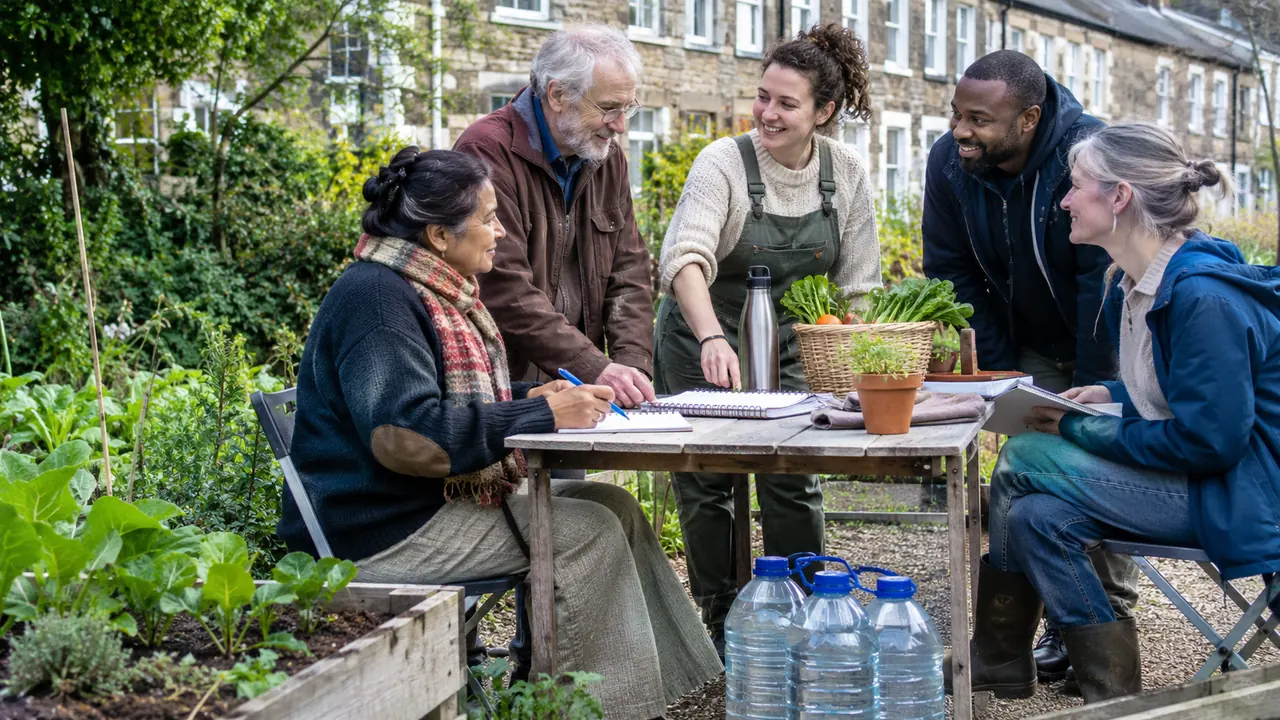
Build the next day's plan from actual capacity
At the end of each period, review which essential function is most vulnerable: water, suitable food, shelter, sanitation, care or the people doing the work. Identify one concrete action to protect it and a fallback if that action fails.
For example, a family may find that safe water is adequate for the next day but a dependent person's approved equipment backup is not. They prioritise qualified assistance or a suitable care location instead of sending every adult to collect more food. The decision follows the real weak point rather than the most visible shortage.
There is no complete household substitute for a functioning society. You can still preserve life through safer shelter, reliable routines and cooperation that recognises its limits. Keep the people capable of helping one another safe, and continue seeking credible support wherever it remains available.
Frequently asked questions
Can a household replace emergency medical care with first-aid supplies?
No. Suitable first aid can address immediate needs within a person's training, but it does not replace clinical assessment, surgery or other specialist care. Keep seeking qualified assistance through functioning routes and record the person's condition and care already given. Do not attempt invasive treatment or unverified medicines because ordinary services are unavailable.
What should we protect first if several supplies are running low?
Start with immediate threats to life and the needs that will fail soonest for the people present. Essential clinical equipment may be more urgent than a larger food stock, while an unsafe building overrides many supply decisions. Use an honest review of shelter, water, care and the available alternatives rather than a rigid universal ranking.
Should one person make every decision for the group?
Clear responsibility helps, but concentrating all knowledge and work in one exhausted person creates a fragile system. Share factual records, safe tasks and handovers while respecting consent and individual needs. People should know the immediate plan and who can act if the usual organiser is ill, asleep or away.
Is isolation safer than cooperating with neighbours?
Not automatically. Trusted cooperation can provide welfare checks, verified information and suitable collections, particularly for people unable to manage alone. Keep boundaries, protect private information and match tasks to ability. Neither admitting everyone nor refusing all assistance is a complete safety plan during a prolonged loss of services.
How do we know when the home is no longer sustainable?
Reassess when essential care, safe water, sanitation or suitable temperature cannot be maintained, or the building faces an immediate hazard. Confirm a genuinely better destination and a safe route early. A familiar home can become unusable before it is visibly damaged, and a last-minute move may be impossible for a dependent person.