

The room goes dark. The television stops, the router lights disappear and someone immediately asks whether it is only your home. In the first moments of a power cut, the most useful response is a small sequence of safe actions. You do not need to diagnose the electricity network or solve the whole evening at once.
First, look for immediate danger and check whether anyone depends on powered medical equipment. Then find a torch, bring the household together and establish what information you can safely obtain. Keep the fridge closed while you work through the next steps.
The ten-minute outline below is a planning aid, not a stopwatch. A medical emergency, smoke, a suspected gas leak or damaged electrical equipment takes priority over the sequence. Follow emergency-service instructions and do not investigate anything that puts you at risk.
The first minute: pause and check people
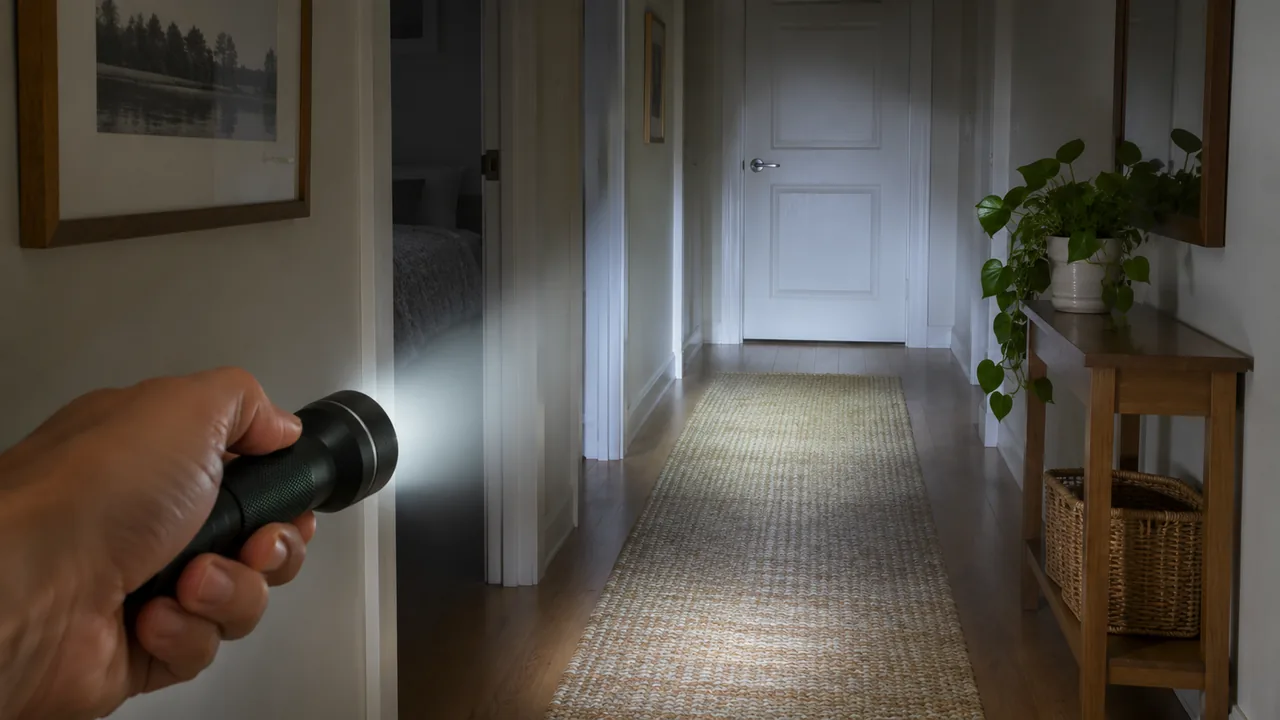
Stop what you are doing before moving through a dark room. A hot pan, a staircase or a toy on the floor can create an immediate problem even when the electrical interruption itself is harmless. Use a nearby torch or your phone light to make the next few steps safe.
Check who is in the home and whether anyone needs immediate help. A person using powered medical equipment should follow the agreed device-specific outage plan. If a loss of power creates an immediate threat to life, call emergency services. Do not assume that a network restoration estimate is a substitute for urgent medical support.
If you see smoke, fire, sparks or damaged electrical equipment, keep clear and contact the appropriate emergency service. Do not touch fallen or damaged electricity cables outside. Avoid opening electrical cabinets or trying to make improvised repairs because the home has gone dark.
Minutes one to three: create a safe, lit space
Choose an area where people can sit comfortably and keep the main routes clear. Put a torch where it lights the room without dazzling someone. A head torch can be useful if you need both hands. Make sure children know where the responsible adult is and ask them to stay clear of stairs and kitchen equipment.
Battery lighting avoids the fire risk of candles. If a light does not work, check the normal controls and batteries without dismantling it. Keep the strongest available phone battery for communication where possible, rather than leaving its torch running all evening.
Check pets too. A sudden change in noise and lighting can unsettle them. Close an appropriate internal door if it helps keep a pet away from an open front door, hot equipment or people moving around. Keep leads and carriers accessible if you may need to relocate later.
Minutes three to five: find out whether the interruption is wider
Look for simple clues without putting yourself at risk. Are neighbouring lights also off? Has your electricity network operator published an incident for the area? Does another household member already have a reliable update? A view from a safe window or a trusted neighbour may be enough to establish that the problem is not limited to one appliance.
If only your home appears affected, do not jump to conclusions. A payment issue, a tripped circuit or a local fault may need different help. Only carry out ordinary checks that you understand and can perform safely. If you are unsure about electrical equipment, leave it alone and seek qualified advice.
Do not repeatedly reset a switch that trips again. Do not touch a consumer unit, socket or appliance that is wet, damaged, unusually hot or giving off a burning smell. A power cut does not remove the possibility of live electrical hazards.
Report the power cut through the right route
In England, Scotland and Wales, 105 connects you with the local electricity network operator. In Northern Ireland, the power-cut number listed by Be Ready is 03457 643643. These reporting routes are different from calling your energy retailer about billing. Save the correct number beforehand and verify current details through your network operator.
When reporting, give your location and the facts you can observe safely. Mention a relevant registered support need and any immediate equipment concern. Do not provide a guessed technical explanation. If you receive a restoration estimate, write it down with the time of the update and remember that estimates can change.
Avoid making repeated calls simply to ask the same question unless circumstances change or you have been told to call again. Keep communication available for new information and urgent needs. If you cannot get through, try the operator's official outage information using a connection that is available.
Minutes five to seven: make appliances safer
Switch off cooking and heat-producing appliances using their normal controls where it is safe to do so. The aim is to prevent something starting unexpectedly when power returns. Remember equipment you were using immediately before the interruption, such as a hob, iron or portable heater.
Do not unplug essential medical equipment indiscriminately. Follow its agreed instructions. For other equipment, use the manufacturer's advice and ordinary safe controls. Keep one suitable light switched on if that helps you recognise restoration, provided the light and installation are safe.
Leave fridge and freezer doors shut. Looking inside to check whether the food is still cold lets warmth in and gives you little useful information. Note approximately when the power failed so that you can make an informed food-safety decision later. Our fridge and freezer guide explains what to check.

Minutes seven to ten: organise the next hour
Check phone battery levels and choose a sensible charging order if you have a power bank. Lower screen brightness and avoid unnecessary video or repeated updates. Keep the correct cable with the battery. A device showing a charging symbol is a better test of compatibility than assuming every connector will work.
Locate water, familiar ready-to-eat food, necessary medicines and blankets or lighter clothing as appropriate. You do not need to spread every emergency item across the room. Bring out what will help over the next hour and keep the rest organised.
Give household members simple roles if that helps. One person can check official updates, another can settle children and another can locate supplies. Keep the plan flexible if only one adult is present. The aim is to reduce confusion, not to create a complicated command structure.
Choose information you can trust
Use the network operator for local electricity information and emergency services or your council for wider incident instructions. A neighbourhood message may help identify a shared problem, but it is not the same as a confirmed restoration time. Check the time and location attached to an update before acting on it.
A battery or wind-up radio can provide another route when internet access is unavailable. Tune it calmly and note any useful advice. A car radio may be an option if it is safe to use, but never run a vehicle in an enclosed garage to listen or charge devices.
Do not share screenshots claiming a national blackout or a security incident simply because several nearby homes are affected. A local fault can have many causes. If you do not know why the power is off, say so. Accurate uncertainty is more helpful than a confident rumour.
If children are worried
Explain what you know in a short, calm sentence: the electricity is off, you have lights and you are checking the information. Avoid promising a return time you cannot control. Offer a clear plan for the next little while, such as a snack, a quiet game or getting ready for bed together.
Keep routines recognisable where possible. A familiar blanket, story or bedtime object can matter more than a detailed explanation of the electricity system. Give older children a safe task, such as bringing a book or checking which torch belongs to them.
Do not let children investigate outdoor wires, electrical cupboards or portable cooking equipment. If their questions become alarming, bring the conversation back to the practical steps you have already taken. See the family power-cut plan for ways to prepare before the next interruption.

If someone needs additional support
Look at the person's actual situation rather than a label. An older neighbour may be comfortable with a torch, while a younger adult may urgently need powered equipment or assistance accessing a building. Ask what would help and respect the person's preferences.
If you have an agreed check-in arrangement, make contact when it is safe. Do not enter a dark or damaged property or assume that a quiet phone means someone is in danger. Use the agreed alternative contact or relevant support service if the situation needs checking.
Priority Services Register arrangements can help providers understand additional needs, but they do not guarantee continuous power. Keep medical backup, transport and alternative accommodation plans separate. If a device's remaining battery is important, follow the care team's threshold for action rather than waiting until it is nearly empty.
Avoid fixes that create a more serious emergency
Do not use a barbecue, camping stove or generator inside a home, garage or other enclosed space. Fuel-burning equipment can produce deadly carbon monoxide. A partly open door or window does not make an unsafe indoor setup acceptable. Do not use a gas oven to heat the room.
A portable power station is different from a fuel generator, but it still needs to be used within its ratings and manufacturer instructions. Keep batteries away from heat, water and blocked ventilation. Do not connect an improvised power source to household wiring.
If a professional installation is needed for backup power, arrange it before an outage with a qualified installer. During tonight's interruption, focus on the supplies and safe options you already understand. Buying or borrowing unfamiliar equipment under pressure can add risks that are difficult to assess in the dark.
Decide when staying home stops being the best option
An electricity interruption can become a bigger problem if indoor conditions are unsafe, essential care cannot continue or the building has another hazard. Discuss alternatives before you reach that point. A trusted friend, relative or designated local support location may be useful if access and travel are safe.
Check that the destination is suitable for the person who needs it. Consider steps, bathroom access, medicine storage, pets and whether the destination also has a power cut. A place being nearby does not automatically make it usable.
Follow official evacuation instructions promptly if they apply. Do not remain in a hazardous home just because you have a stock of supplies. If someone is in immediate danger, seek emergency help. An ordinary household checklist should make those decisions easier, not delay them.

When electricity returns
Take a moment before switching everything on. Check that cooking and heating appliances are in the intended state. Restore equipment through normal controls and follow any network or manufacturer advice. If you notice a burning smell, damage or unusual behaviour, stop using the affected equipment and seek appropriate help.
Review food using the duration and temperature information you recorded. Do not taste food to decide whether it is safe. Check medicines with the relevant professional or product guidance if storage conditions have changed. Restarting a fridge does not undo a period of unsuitable storage.
Recharge equipment and replace anything used from the emergency supplies. Write down one or two changes that would make the next interruption easier. Perhaps a second torch belongs near the stairs, the contact sheet needs updating or the medical equipment plan needs a clearer contact number.
Make tonight's lesson useful tomorrow
Once the immediate disruption is over, walk through the sequence with the household. Ask where time was wasted and which information was hard to find. Keep the discussion practical and kind; the aim is to improve the arrangement, not blame someone for misplacing a cable.
Put a small light where it was needed most and make the reporting number easy to find. Test the radio in daylight. Choose a no-cook meal that everyone will eat. Agree who checks on a relative and what happens if that person is unavailable.
The next power cut may be shorter, longer or different in character. A simple first-response routine still helps because it starts with people, safety and reliable information. Those are useful priorities even when the cause and duration are not yet known.
If the outage begins while you are away
When you return to an unlit home, do not assume the interruption began moments before you arrived. Check people and immediate hazards first, then obtain reliable information about the affected area. Record uncertainty about timing rather than using the arrival time as the food-storage starting point.
If someone is already managing the home, ask what has been checked before repeating the same tasks. They may have contacted the operator, organised the children or started an approved equipment plan. A brief handover prevents duplicated calls and conflicting instructions.
Keep the household working from one current note: known outage information, essential needs and the next planned action. That can be enough structure for the first hour. You can investigate the wider cause later through verified sources; the immediate priority is a safe, understandable arrangement for the people present.
Frequently asked questions
Should I call 999 as soon as the electricity goes off?
Use emergency services for an immediate threat to life or another emergency, such as fire or a medical crisis. An ordinary power-cut report should go through your electricity network operator. In Great Britain, 105 connects to the relevant operator. Save your local reporting and support details before an outage so you can choose the appropriate route quickly.
Should I open the fridge to check the temperature?
Keep the door closed as much as possible. Repeated opening lets warmth in and shortens the time food remains cold. Record the start of the outage and use appropriate temperature information and current food-safety guidance when deciding what to keep. A fridge thermometer can be useful, but checking it should not become a reason to keep opening the door.
Will my landline still work without electricity?
It depends on the service and equipment. Many digital voice arrangements rely on powered equipment in the home. Ask your provider about your setup, backup provision and emergency access, particularly if you use telecare or have no other way to call for help. Test only through the provider's recommended procedure; do not assume a familiar handset guarantees an independent connection.
Can I use candles if I cannot find a torch?
Battery lighting is the safer planned option. A phone light may help you locate a torch or reach a safe area while conserving battery. Open flames add risk around children, pets, bedding and people moving in darkness. Make a working torch easy to reach before the next outage so that you do not have to make this decision under pressure.
What if the power returns and immediately fails again?
Keep the household in the safe arrangement you have established and check the operator's latest information. Do not assume the interruption is over after a brief return of power. Avoid repeated improvised electrical checks. If your own equipment appears faulty, damaged or unsafe, leave it alone and seek qualified assistance rather than repeatedly resetting it.